
Last updated September 24, 2026
Free in-home measure and quote - PGT, CGI and CWS impact lines compared on your actual openings, style by style
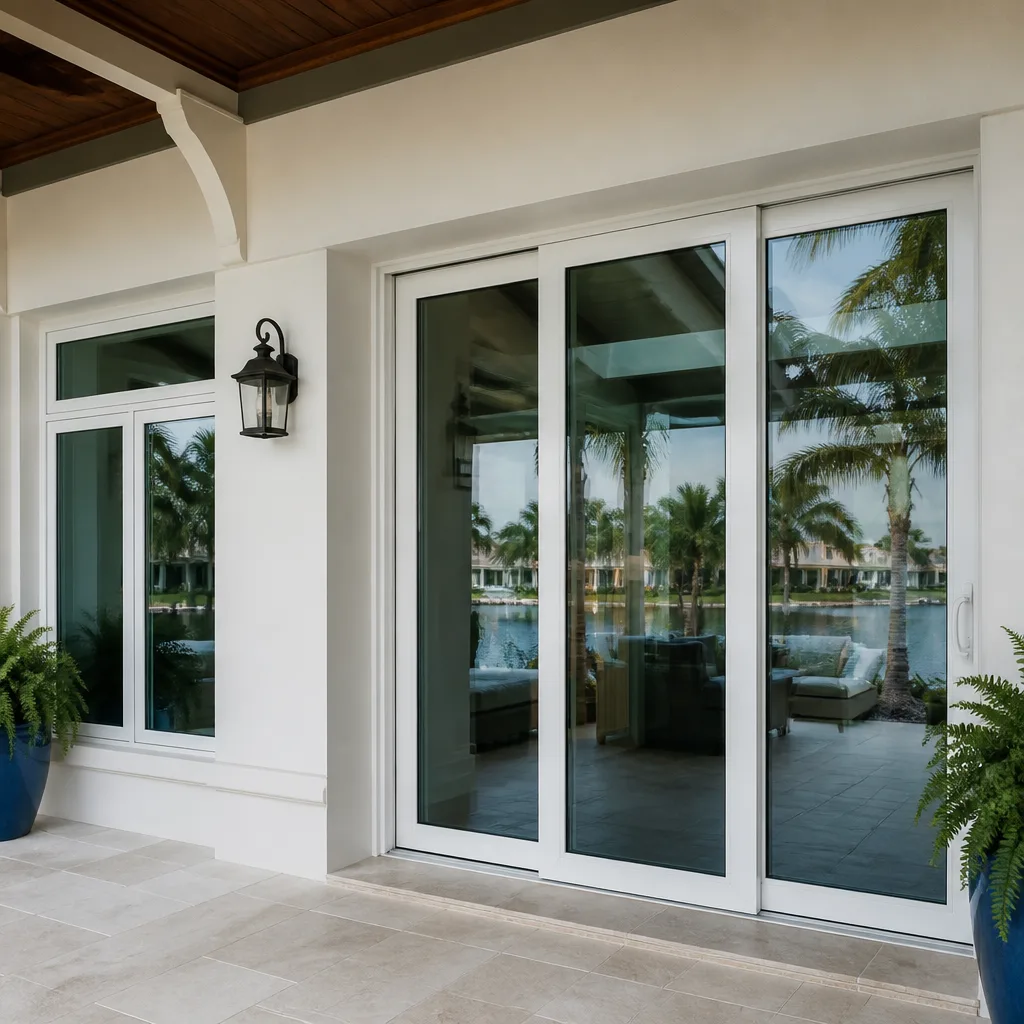
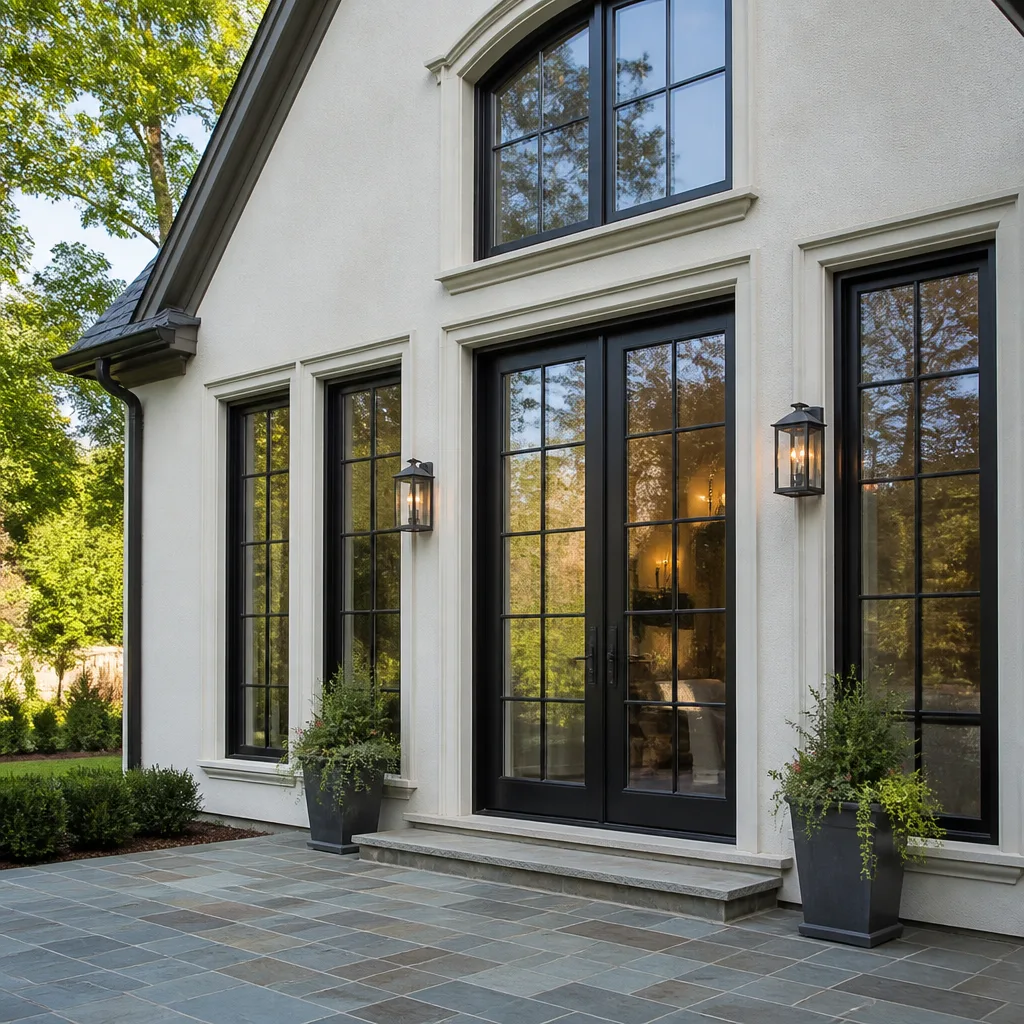
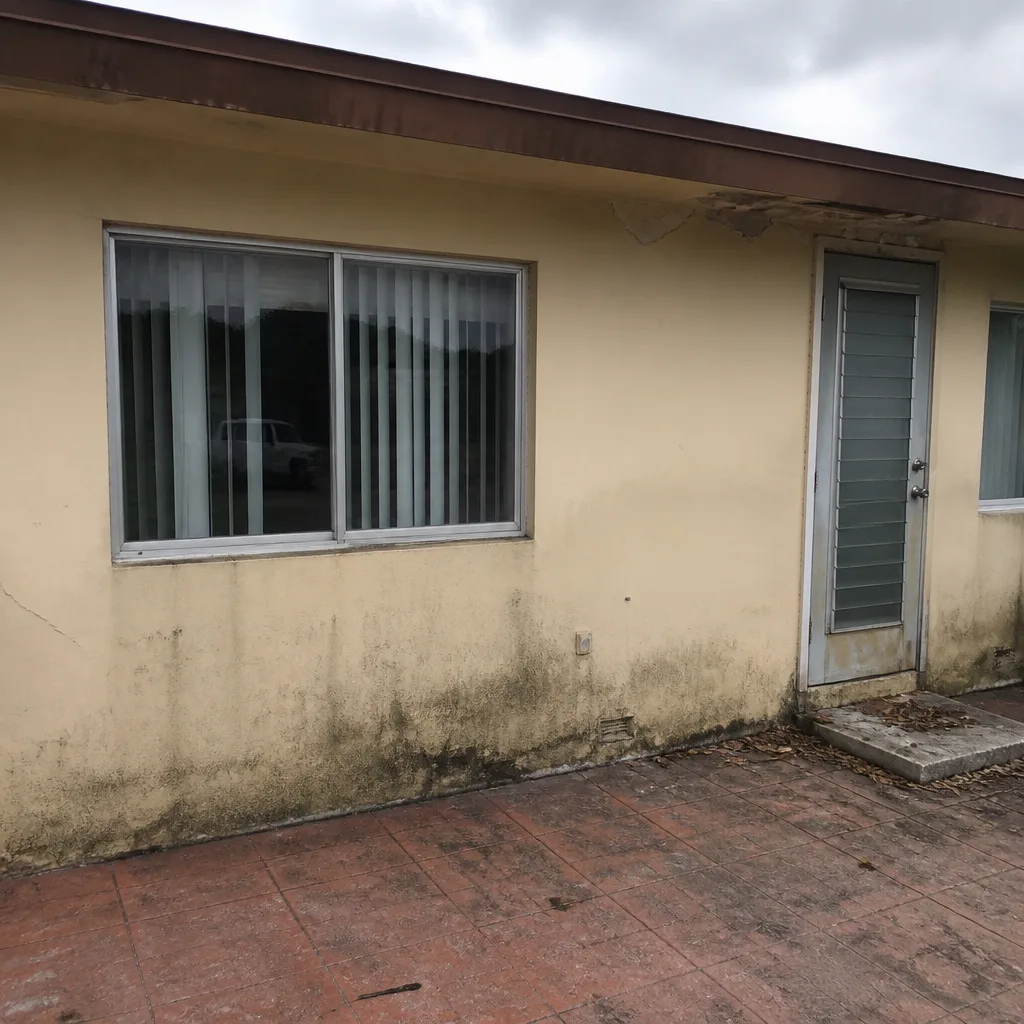 Before
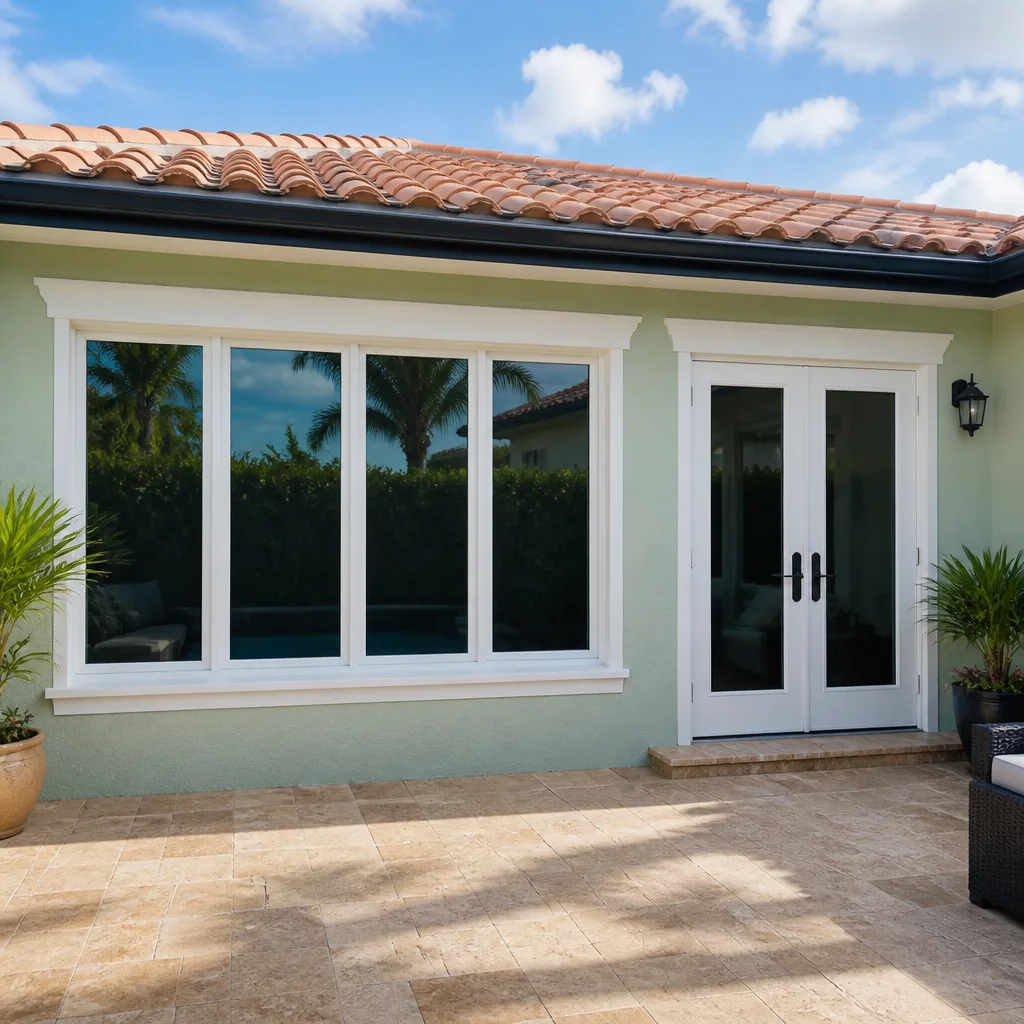 After
After Before
 After
After Before
 After
AfterThe Complete Guide to Windows & Doors in Hialeah
Hialeah sits inside Miami-Dade County’s High-Velocity Hurricane Zone, one of only two U.S. counties where window and door products must pass a separate county product-approval process before a permit can even be submitted. Most out-of-county installers discover this requirement after they’ve already sold the job. In this guide, you’ll learn the actual sequence from opening inspection to final inspection sticker, what Hialeah’s four common substrate types mean for your installation, and how to read a written quote so you know whether the price you see is the price you’ll pay. For more guides & resources on protecting your home, visit our blog.
Quick Answer
Installing or replacing windows and doors in Hialeah requires products that carry both Florida Product Approval and Miami-Dade Notice of Acceptance, a measured survey that becomes your written quote, and installation by a licensed contractor who sequences permits and inspections correctly. Not sure whether to tackle this yourself or hire out? Read our DIY vs Professional Windows & Doors: The Hialeah Homeowner’s Decision Guide first. For a typical Hialeah home, expect impact-rated single-hung windows from $650-$1,100 per opening installed, impact casements from $850-$1,400, impact sliding glass doors from $2,800-$5,200, and impact entry doors from $2,200-$4,500.
Table of Contents
- Why HVHZ Compliance in Hialeah Is Different
- Product Selection: What the Opening Actually Needs
- The Measured Survey and Written Price
- Permit Application and Inspection Sequencing
- Hialeah’s Four Substrate Types and Installation Methods
- Cost Breakdown by Product Category
- How to Read a Contractor’s Quote
- Common Mistakes to Avoid
- When to Call a Professional
- Frequently Asked Questions
- The Bottom Line
 Before
 After
AfterWhy HVHZ Compliance in Hialeah Is Different
Hialeah’s location in Miami-Dade County places every residential address inside the High-Velocity Hurricane Zone. This is not a marketing distinction. It is a code jurisdiction with its own product-approval pathway that runs parallel to, and in some cases stricter than, the statewide Florida Product Approval system.
Here’s what actually happens. A window or door manufacturer submits test data to Miami-Dade County’s Building Code Compliance Office. The county engineers review impact resistance, cyclic pressure loading, and water infiltration performance. If the product passes, the county issues a Notice of Acceptance, or NOA. That NOA lists specific product configurations, maximum sizes, and approved anchorage patterns. Install a product outside those configurations, and the inspection fails. No final sticker, no certificate of completion.
Florida Product Approval, issued by the Florida Department of Business and Professional Regulation, covers the rest of the state. Many products carry both approvals. Some carry only Florida Product Approval. In Hialeah, only products with a valid Miami-Dade NOA can be permitted and inspected. We’ve reviewed competitor quotes where the specified product lacked the NOA entirely. The homeowner would have discovered this at inspection, with the opening already torn out.
The wind speed requirement is specific: 175 mph in Miami-Dade for risk Category II buildings, which includes most single-family homes. This drives product construction. Impact-rated windows in Hialeah use laminated glass, typically two layers of annealed or heat-strengthened glass bonded to a polyvinyl butyral interlayer. The frame must maintain structural integrity after the impact and cyclic pressure tests. Not all impact windows are equal; the NOA tells you exactly what was tested.
Hialeah’s building department, located on Palm Avenue, enforces these requirements at plan review and field inspection. Permits for window and door replacement require the NOA number on the application. The inspector verifies the product label in the field against that number. We’ve seen jobs delayed two weeks because the contractor submitted a Florida Product Approval number where the NOA was required.
Product Selection: What the Opening Actually Needs
Most homeowners in Hialeah start with a brand name. The better starting point is the opening itself: its dimensions, its exposure, its substrate, and its function in the home’s envelope.
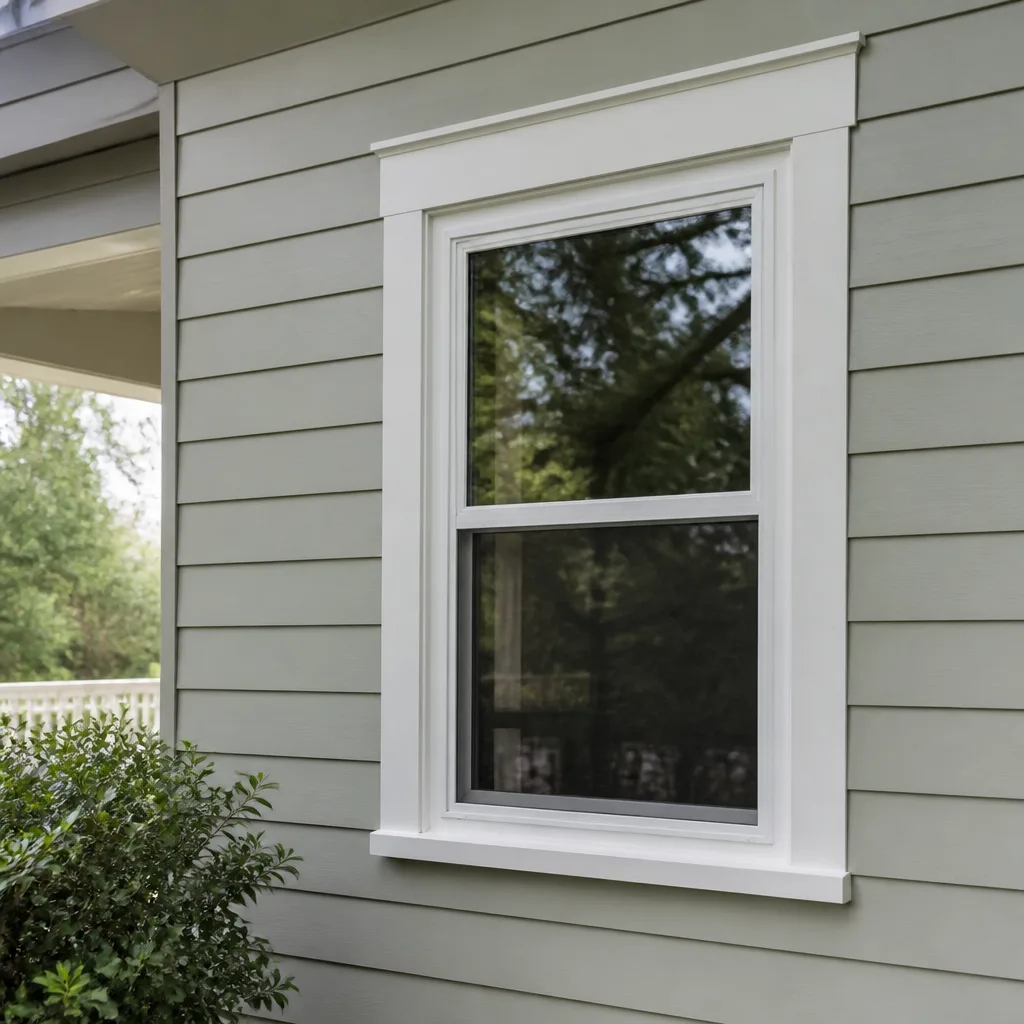
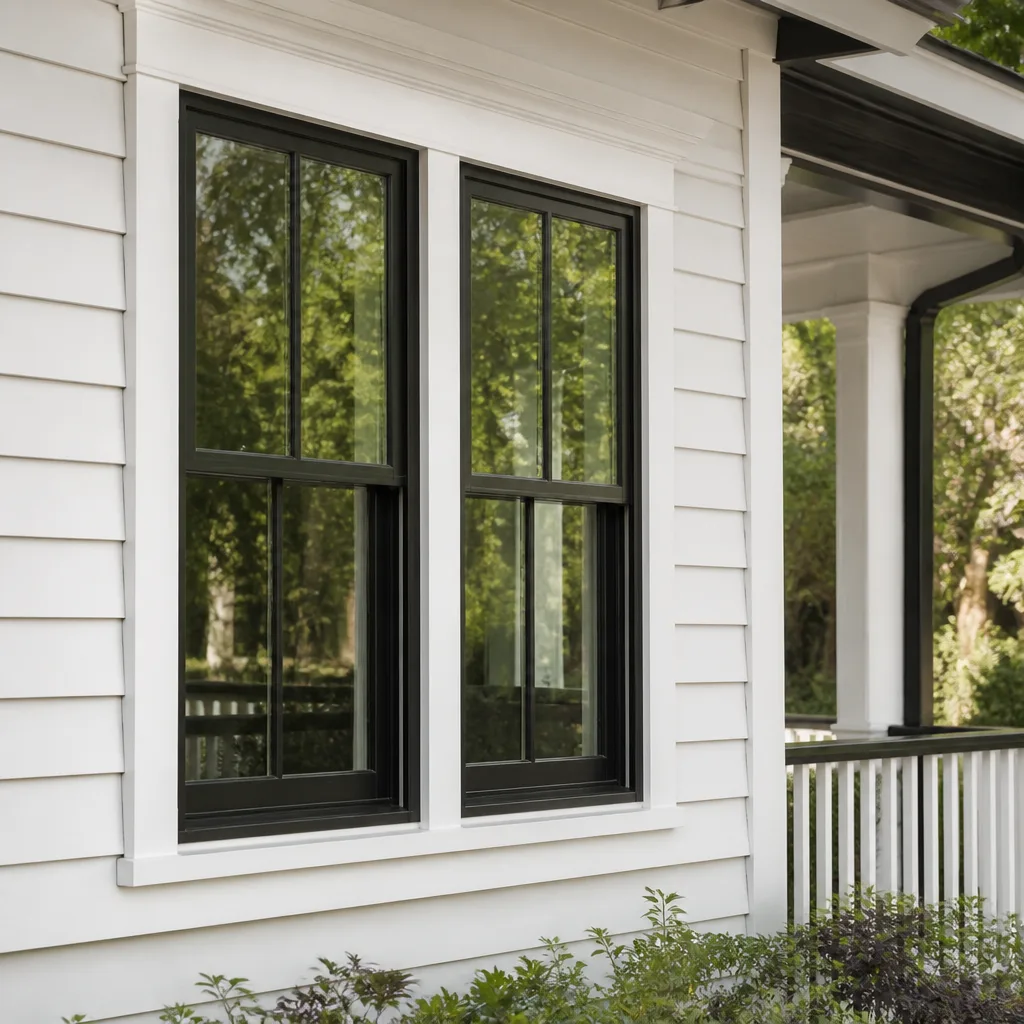
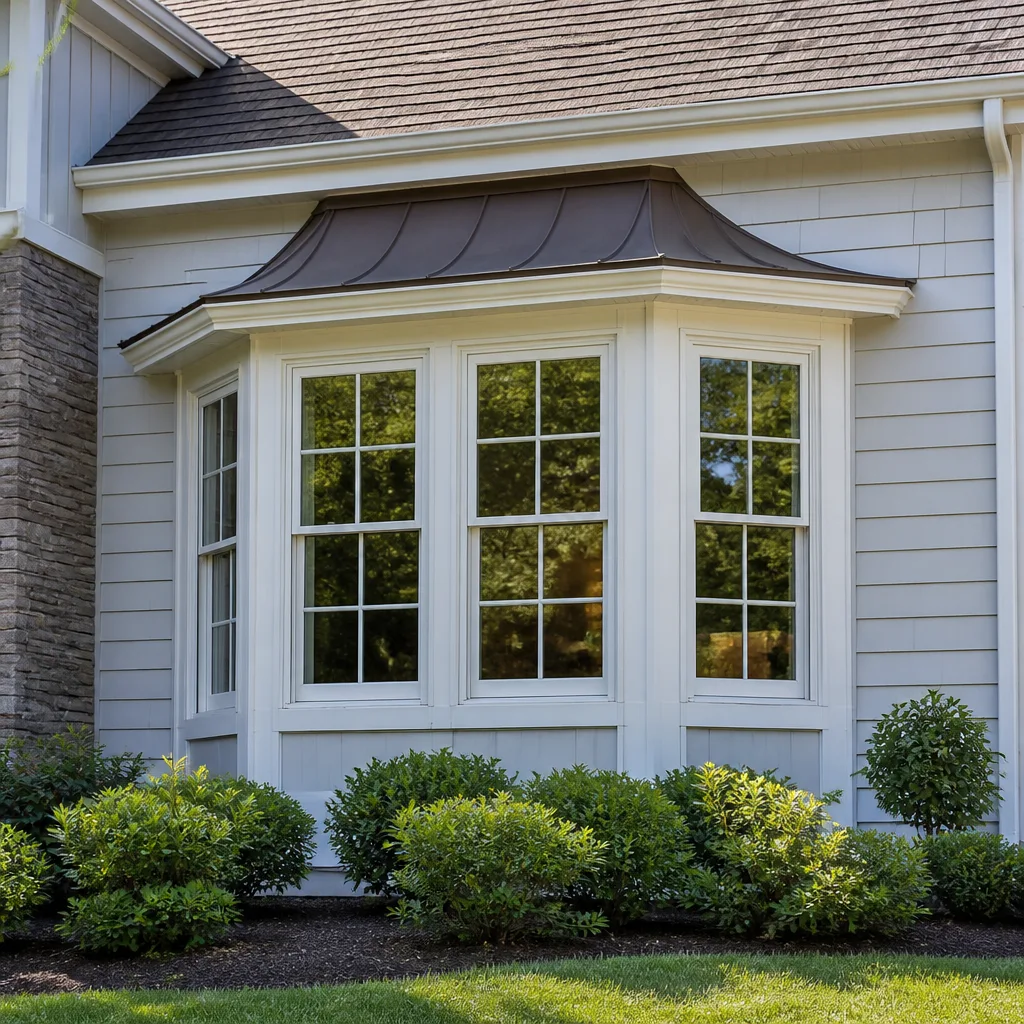
Single-hung windows remain the default for Hialeah’s ranch and mid-century stock, particularly in neighborhoods like Palm Springs and West Hialeah. The bottom sash moves vertically; the top sash is fixed. They’re cost-effective, code-compliant when impact-rated, and fit the 32-inch to 48-inch rough openings common in homes built 1955-1985. For second-story installations over concrete, the fixed upper sash reduces leak paths.
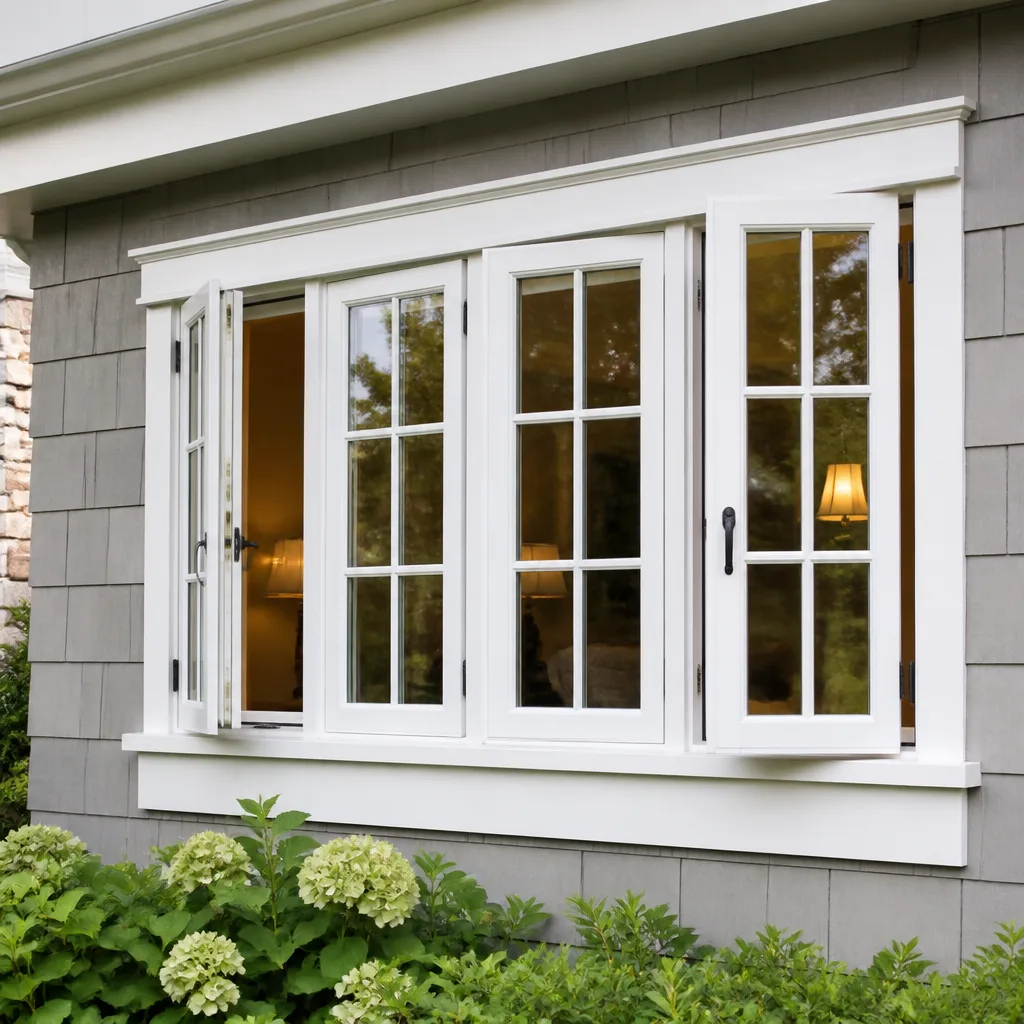
Casement windows hinge at the side and crank outward. They seal tighter than single-hung units, which matters in Hialeah’s driving rain events. The trade-off is hardware complexity and a higher installed cost. We specify casements for west-facing openings in neighborhoods like Miami Lakes Estates, where afternoon sun and rain coincide. PGT and CGI both manufacture casement lines with Miami-Dade NOAs; the specification depends on opening size and design pressure requirement.
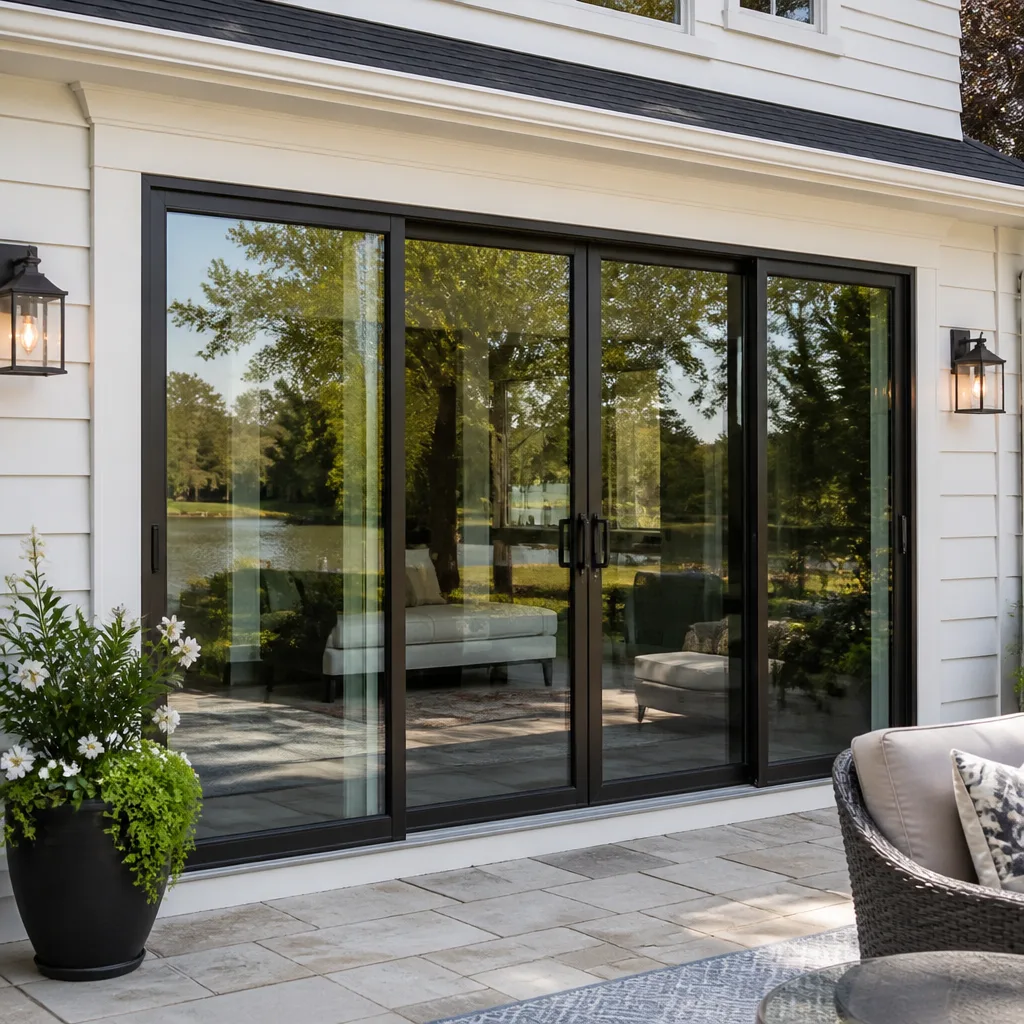
Sliding glass doors in Hialeah face a specific challenge: the threshold detail. Water management at a sliding door is harder than at a hinged door because the track creates a horizontal surface. Impact-rated sliding doors from CWS and ES Windows use multi-point locking and interlocking stiles to maintain pressure resistance. The installation matters as much as the product. A sliding door in a Hialeah home on CBS block requires a different sill pan and anchor pattern than the same door in a wood-frame addition.
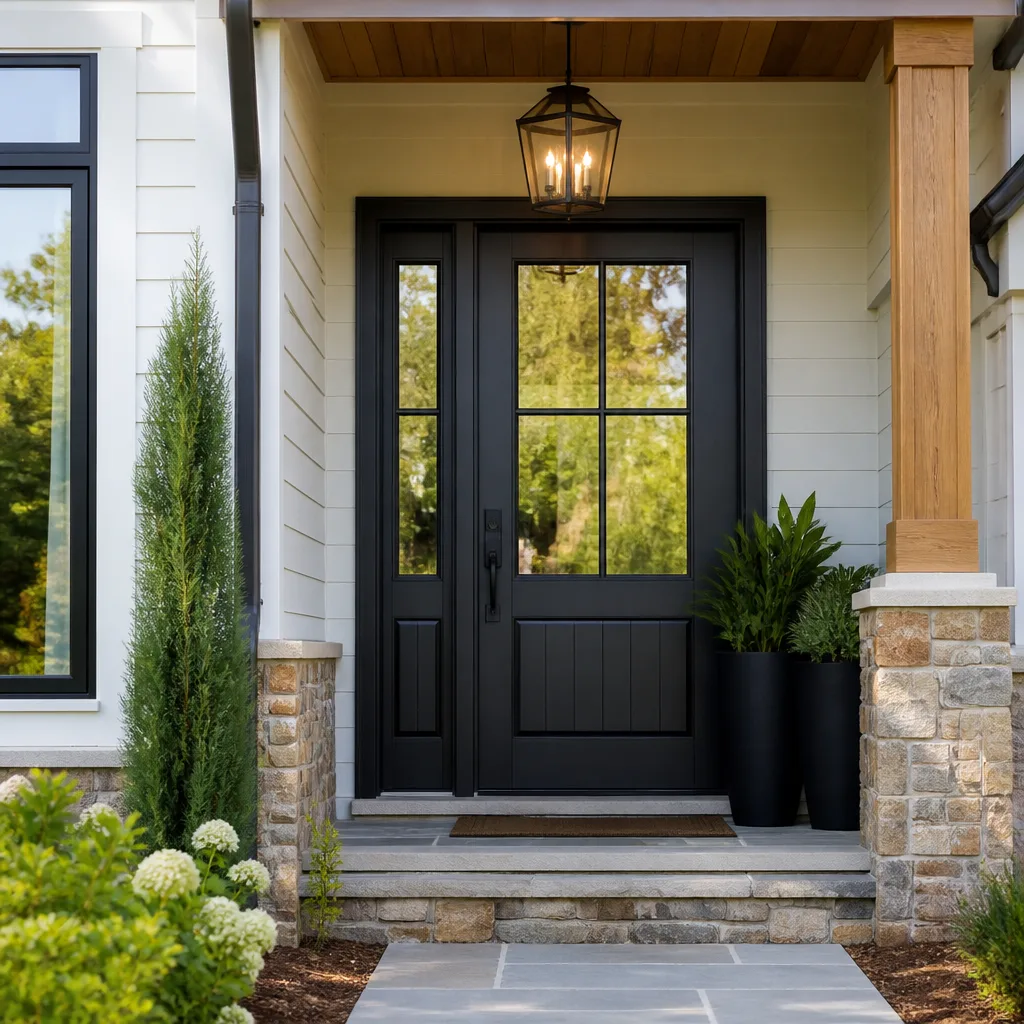
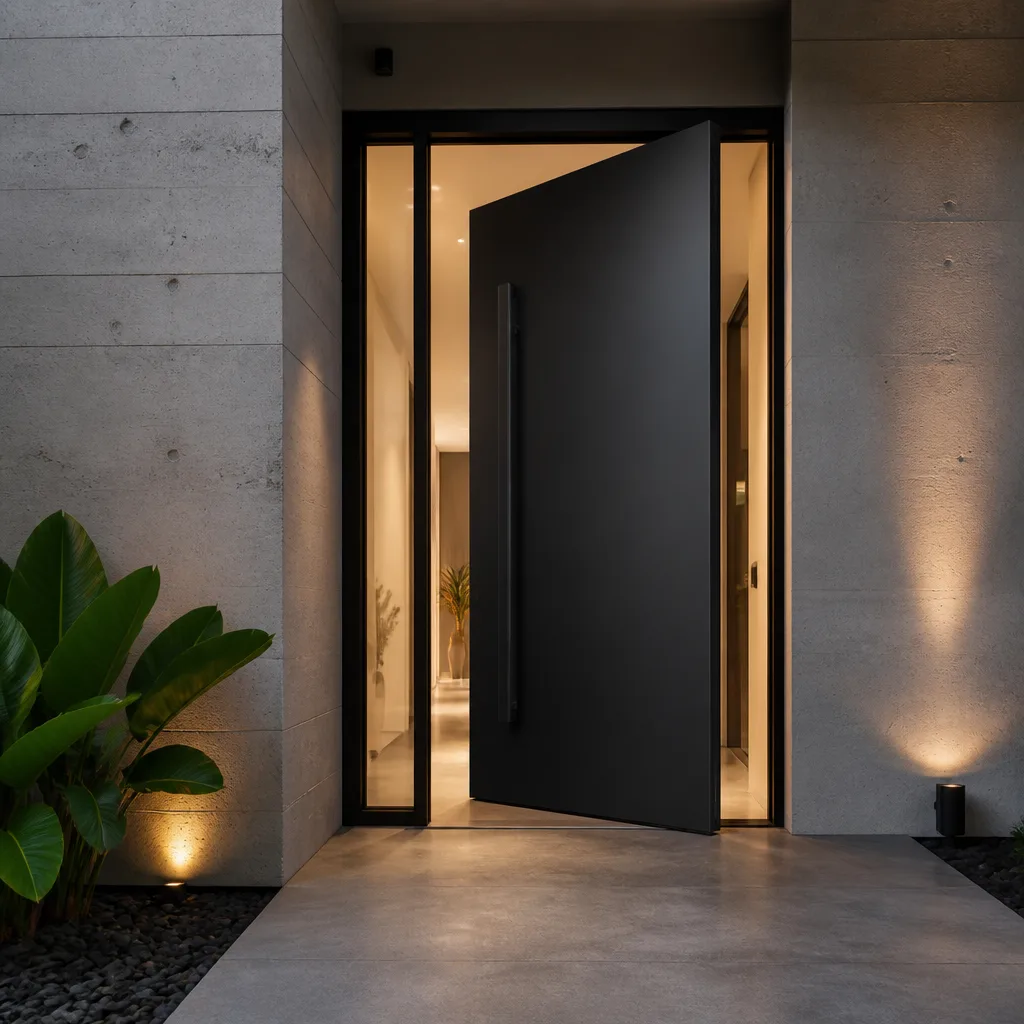
Entry doors split into two categories: slab replacement and full-frame replacement with sidelights or transoms. Hialeah’s 1960s-1980s homes often have 36-inch slabs with no sidelights. Newer construction in areas like Hialeah Gardens includes wider openings with decorative glass. Therma-Tru and ViewLux manufacture impact-rated entry systems with NOAs for both configurations. The specification must match the exact opening dimensions; entry doors are not field-sized like windows.
Custom and geometric windows - circles, trapezoids, octagons - require individual NOA review. Some manufacturers have pre-approved configurations. Others require engineering submittal. In Hialeah, custom shapes appear in Mediterranean-style homes in Country Club of Miami and in contemporary renovations. Budget 25-40% above standard rectangular units for custom geometry, and add two weeks for permit review if engineering is required.
Our process at Sightline Windows & Doors Hialeah specifies by performance tier, not by margin. We carry eight manufacturer lines - PGT, CGI, CWS, ES Windows, ECO Window Systems, Mr-Glass, Therma-Tru, and ViewLux - and select based on what the opening requires: design pressure, U-factor, SHGC, frame depth, and finish availability.
The Measured Survey and Written Price
Haven Clause 1 states the whole principle: the measurement and the quote are the same document. Every engagement at Sightline begins with a measured survey the customer keeps.
Here’s what that document contains:
- Opening dimensions: rough opening width, height, and depth; frame pocket dimensions; sill condition.
- Substrate identification: CBS block, wood frame, stucco-over-metal, or pre-cast; noted with photo.
- Product specification: manufacturer, series, design pressure rating, U-factor, SHGC, and Miami-Dade NOA number.
- Scope of work: removal, disposal, installation, interior and exterior trim, sealant, and cleanup.
- Permit and inspection handling: who pulls the permit, inspection scheduling, and final sticker delivery.
- Written price: line-item cost per opening, total project cost, payment schedule, and terms.
The customer receives this survey before any work is authorized. The price on that document cannot differ from the final invoice. This is not a promotion. It is the founding principle of the company since 2012.
What the absence of this document signals: a contractor who separates measurement from quote is building in change-order room. We’ve reviewed competitor estimates where the initial quote assumed “standard conditions” and the final invoice added charges for stucco repair, sill replacement, or “unforeseen substrate conditions.” In Hialeah, substrate conditions are foreseeable. They’re visible at measurement. A contractor who doesn’t document them hasn’t looked.
The photo record begins here. The initial survey photos show the opening before touch. The closeout photos show the completed installation, the inspection sticker, and the cleaned work area. Every customer receives both sets. This is Haven Clause 4: Evidence on every job.
Permit Application and Inspection Sequencing
The actual sequence for a window or door replacement in Hialeah, in order:
- Product selection with NOA verification. Confirm the product carries a current Miami-Dade Notice of Acceptance. Check expiration dates; NOAs expire and require renewal.
- Measured survey and written quote. The document the customer keeps, with line-item pricing.
- Permit application to Hialeah Building Department. Requires the NOA, product approval drawings, and a site plan showing opening locations. Turnaround is typically 5-10 business days for residential window/door replacement.
- Permit issuance and job scheduling. Work cannot begin until the permit is in hand. Starting early risks stop-work orders.
- Installation per NOA anchorage pattern. The inspector will verify anchor type, spacing, and embedment depth against the approved drawing.
- Rough inspection. For full-frame replacements, the inspector verifies substrate, flashing, and anchorage before trim and sealant.
- Final inspection. The inspector verifies product labels, operation, and completion of the approved scope. The inspection sticker is applied to the permit card.
- Closeout documentation. Photo record, final invoice matching the written quote, and warranty documents delivered to the customer.
Where this sequence breaks down: contractors who pull permits late, after installation has started; who substitute products without updating the permit; or who skip rough inspection on jobs where it’s required. In Hialeah, the building department has increased field verification since the 2024 code cycle update. We’ve seen more re-inspections and more stop-work orders than in prior years.
The permit fee structure in Hialeah runs approximately $85-$150 per opening for residential window and door replacement, depending on valuation. This is separate from product and labor costs. A written quote should state whether permit fees are included or itemized.
Hialeah’s Four Substrate Types and Installation Methods
Hialeah’s housing stock spans seven decades and four distinct construction methods. The substrate determines anchor pattern, flashing method, and whether the installation requires additional structural work.
CBS block (Concrete Block Structure). The dominant method from 1955-1990, found throughout Palm Springs, West Hialeah, and the older sections of East Hialeah. The window or door sits in a block opening with a poured concrete lintel above. Anchors are typically tapcon-style masonry fasteners or expansion anchors at the jambs, with a sill anchor into the concrete sill or a pressure-treated sill plate. Flashing is critical: without proper sill pan and head flashing, water enters the block cavity and weeps through interior walls. We’ve repaired installations where the previous contractor caulked the exterior and called it done. The water found the block cavity anyway.
Wood frame. Common in additions, second stories, and some 1940s-1950s construction in Hialeah’s older neighborhoods. Wood frame requires different anchors - typically lag screws into the king stud - and different flashing integration with the weather-resistant barrier. The rough opening must be square within 1/4 inch; wood frame tolerates less racking than CBS. In Hialeah’s humidity, wood frame openings often show rot at the sill. We document this in the measured survey and specify repair in the written scope.
Stucco-over-metal. Found in some 1970s-1980s construction and in certain townhouse developments. The structural opening is metal stud; the exterior is stucco on lath. This substrate requires self-tapping screws into the metal stud, with care not to distort the stud flange. The stucco return must be cut cleanly and the new frame integrated with the existing stucco without cracking. It’s the least forgiving substrate for retrofits. We’ve seen cracks propagate from poor integration within six months of installation.
Pre-cast concrete panels. Used in some 1960s-1970s mid-rise and townhome construction, particularly near the Hialeah Park area. Pre-cast requires core drilling for anchor embedment and often involves structural engineering review for new or enlarged openings. The measured survey must note panel thickness, reinforcement location, and any post-tensioning. This is not a standard window replacement; it’s a structural modification requiring stamped drawings.
Each substrate type appears in Hialeah’s building records, which are searchable by address. We verify construction type before the site visit when possible. The customer receives a substrate-specific scope in their written quote.
Cost Breakdown by Product Category
These ranges reflect installed pricing in Hialeah’s market as of 2024-2025, including product, labor, disposal, standard trim, sealant, and permit fees. They assume standard rectangular openings in CBS block or wood frame without structural modification. Custom sizes, custom shapes, pre-cast substrates, and structural work are priced separately in the written scope.
| Product Category | Typical Range (Installed) | Notes |
|---|---|---|
| Impact single-hung window | $650 - $1,100 per opening | Most common in Hialeah; range varies by size and DP rating |
| Impact casement window | $850 - $1,400 per opening | Higher seal performance; hardware adds cost |
| Impact horizontal roller | $750 - $1,250 per opening | Popular for wide, short openings; PGT and CGI both offer NOA’d lines |
| Impact sliding glass door (2-panel) | $2,800 - $5,200 per door | Threshold detail critical; range varies by panel size and DP |
| Impact entry door (slab only) | $2,200 - $3,800 per door | Includes frame, hardware, and lockset; decorative glass extra |
| Impact entry door with sidelights | $3,500 - $4,500 per system | System pricing; sidelight glass must match door DP rating |
| Custom/geometric window | 25-40% above standard | Requires NOA verification; engineering submittal may add cost |
These ranges are specific to Hialeah’s market and Miami-Dade’s HVHZ requirements. Products rated only to Florida Product Approval, without Miami-Dade NOA, may quote lower but cannot pass inspection here. We’ve reviewed competitor estimates where the product specification was ambiguous on this point. The customer would have paid twice: once for the non-compliant installation, again for the compliant replacement.
Financing does not change the written price. The price is the price. Payment schedules are stated in the quote, typically a deposit at permit pull and balance at final inspection. No change orders for conditions documented in the measured survey.
How to Read a Contractor’s Quote
A written quote for windows and doors in Hialeah should contain specific information. Its absence is a signal.
What should be present:
- Product manufacturer and series name, not just “impact window.”
- Miami-Dade NOA number, current and unexpired.
- Design pressure rating in pounds per square foot, matched to the opening’s exposure.
- U-factor and SHGC values for energy performance.
- Opening-by-opening dimensions and substrate type.
- Scope of work: removal, disposal, installation, trim, sealant, cleanup.
- Permit handling: who pulls it, fees included or itemized, inspection scheduling.
- Total price, payment schedule, and expiration date.
- Warranty terms: product warranty from manufacturer, workmanship warranty from installer.
What should raise concern:
- “Price subject to final measurement” after a site visit has occurred.
- “Allowance” for permit fees or disposal without a fixed cap.
- Product described only by brand, without series or NOA reference.
- No mention of rough or final inspection in the scope.
- Verbal warranty without written terms.
The 365-Day Done Right Promise at Sightline is written into the Haven Standard, not offered as a courtesy. If it’s not done right, we make it right. The mechanism is specific: the customer documents the concern, we inspect within 72 hours, and we correct the scope at no charge. This is not a satisfaction guarantee. It is a performance guarantee with a defined process.
Our window replacement in Hialeah service follows this exact protocol. The measured survey, the written quote, the installation, the inspection, and the closeout documentation are a single chain of evidence.
Common Mistakes to Avoid
- Choosing product brand without verifying Miami-Dade NOA. A PGT window without the correct NOA configuration is still a failed inspection. Verify the NOA number on the quote matches the product label.
- Ignoring substrate type in cost comparison. A $650 single-hung in CBS block may become $1,200 in pre-cast with core drilling. Quotes that don’t specify substrate assume the cheapest condition.
- Starting work before permit issuance. Hialeah’s building department has issued more stop-work orders in 2024 than in the prior three years combined. The permit must be in hand.
- Accepting “allowance” pricing for unknown conditions. Substrate rot, sill damage, and stucco cracks are visible at measurement. A contractor who prices by allowance hasn’t measured thoroughly.
- Skipping the rough inspection on full-frame replacements. Some contractors press for final inspection only, hiding anchorage and flashing from review. Insist on rough inspection where code requires it.
- Comparing quotes with different scopes. One quote includes trim and sealant; another doesn’t. One includes disposal; another adds $400 at invoice. Line-item comparison is the only valid comparison.
- Neglecting the photo record. Without before-and-after documentation, warranty claims become disputes over pre-existing conditions. Demand documented evidence as standard.
When to Call a Professional
Call a licensed contractor when the opening shows water intrusion, operational failure, or code non-compliance. Specific triggers: visible leaks at the frame or sill, windows that won’t lock or stay open, doors that bind or show daylight at the jamb, or any opening in a home built before 1994 that hasn’t been updated to HVHZ standards. These are not cosmetic issues. In Hialeah’s wind-driven rain climate, a window that leaks is a window that will fail under hurricane conditions.
Structural modifications - enlarging openings, converting windows to doors, any work in pre-cast panels - require engineering and are not DIY projects. The anchor pattern, header support, and lateral load path must be calculated and stamped.
Window installation in Hialeah and door installation in Hialeah both fall under this scope. Sightline Windows & Doors Hialeah offers free estimates in Hialeah. Call (786) 574-2745 to schedule a measured survey. You’ll receive the written price before any work is authorized, and the documented photo record when the job is complete.
Frequently Asked Questions
Impact-rated window replacement in Hialeah typically runs $650-$1,100 per opening for single-hung units and $850-$1,400 for casements, installed. The range reflects size, design pressure rating, and substrate conditions. Call (786) 574-2745 for an exact quote on your specific openings - estimates are free.
Yes. Every window and door replacement in Hialeah requires a building permit from the Hialeah Building Department. The permit application must include the Miami-Dade NOA number for each product. Installation without a permit risks stop-work orders, failed inspections, and insurance complications.
Florida Product Approval is statewide. Miami-Dade Notice of Acceptance is specific to Miami-Dade and Broward counties’ High-Velocity Hurricane Zone. In Hialeah, products must have the Miami-Dade NOA to be permitted and inspected. A product with only Florida Product Approval cannot pass inspection here.
At Sightline, the written price before work starts is the final price. The measured survey documents substrate conditions, opening dimensions, and scope before authorization. Conditions visible at measurement are not “unforeseen.” If a contractor’s price changes after work starts, the measurement was incomplete.
Permit review takes 5-10 business days. Installation of 10-15 openings typically requires 2-3 working days, plus inspection scheduling. Total timeline from signed quote to final sticker is usually 3-5 weeks. Custom products or engineering review adds time.
Yes. Permit application and inspection scheduling are included in our scope. We submit the NOA documentation, coordinate with Hialeah Building Department, and ensure the inspection sticker is applied. The customer receives copies of all permit documents.
The Bottom Line
Windows and doors in Hialeah are governed by a specific compliance layer that out-of-county contractors often miss. The Miami-Dade NOA is not optional. The substrate type is not generic. The permit sequence is not flexible. A successful installation begins with a measured survey that becomes a written quote, proceeds through verified product installation per approved anchorage patterns, and closes with inspection approval and documented evidence. Anything less leaves the homeowner exposed - to water intrusion, to code violation, to cost inflation, or to all three.
Call (786) 574-2745 to schedule your free estimate. You’ll receive the measured survey, the written price, and the documented record. That’s the Haven Standard. It’s been the same since 2012.
Written by Sonia Raman, Owner at Sightline Windows & Doors Hialeah, serving Hialeah since 2012.