
Last updated September 24, 2026
Free in-home measure and quote - PGT, CGI and CWS impact lines compared on your actual openings, style by style
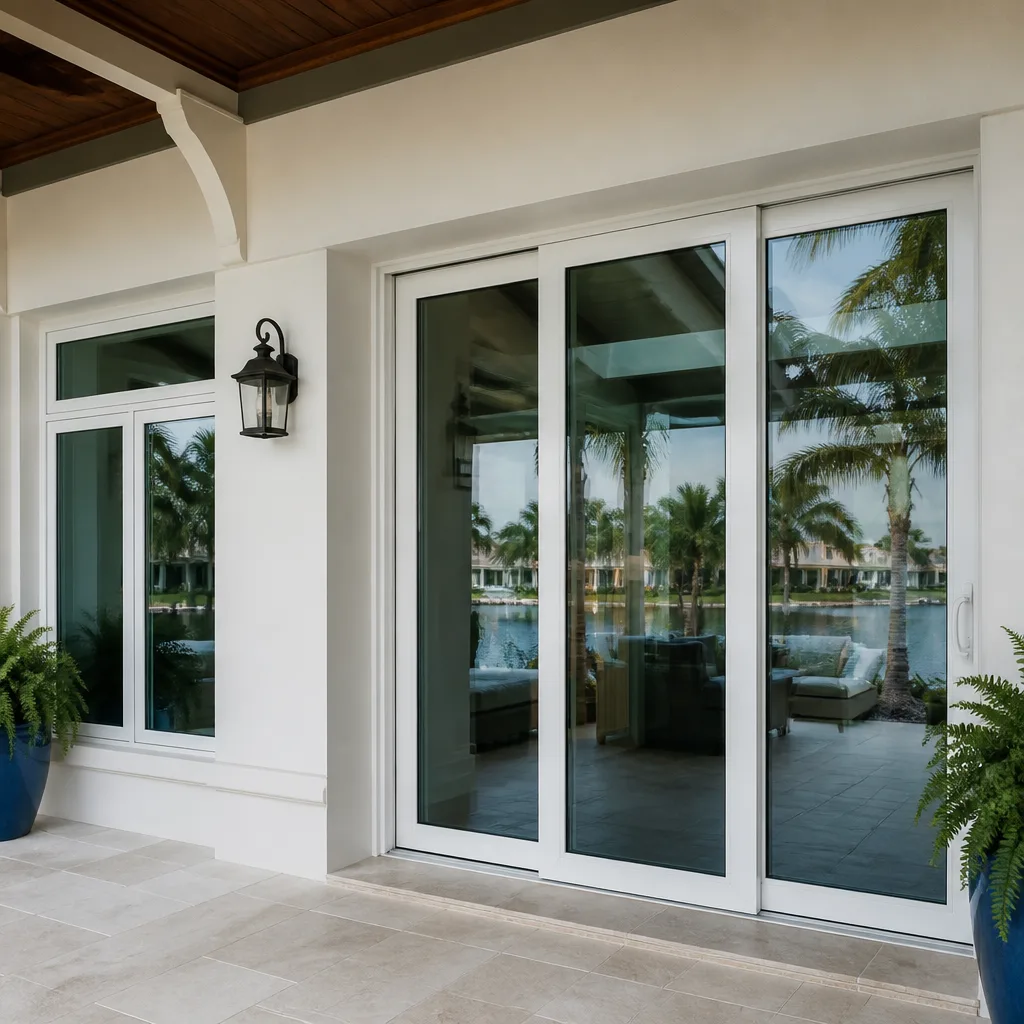
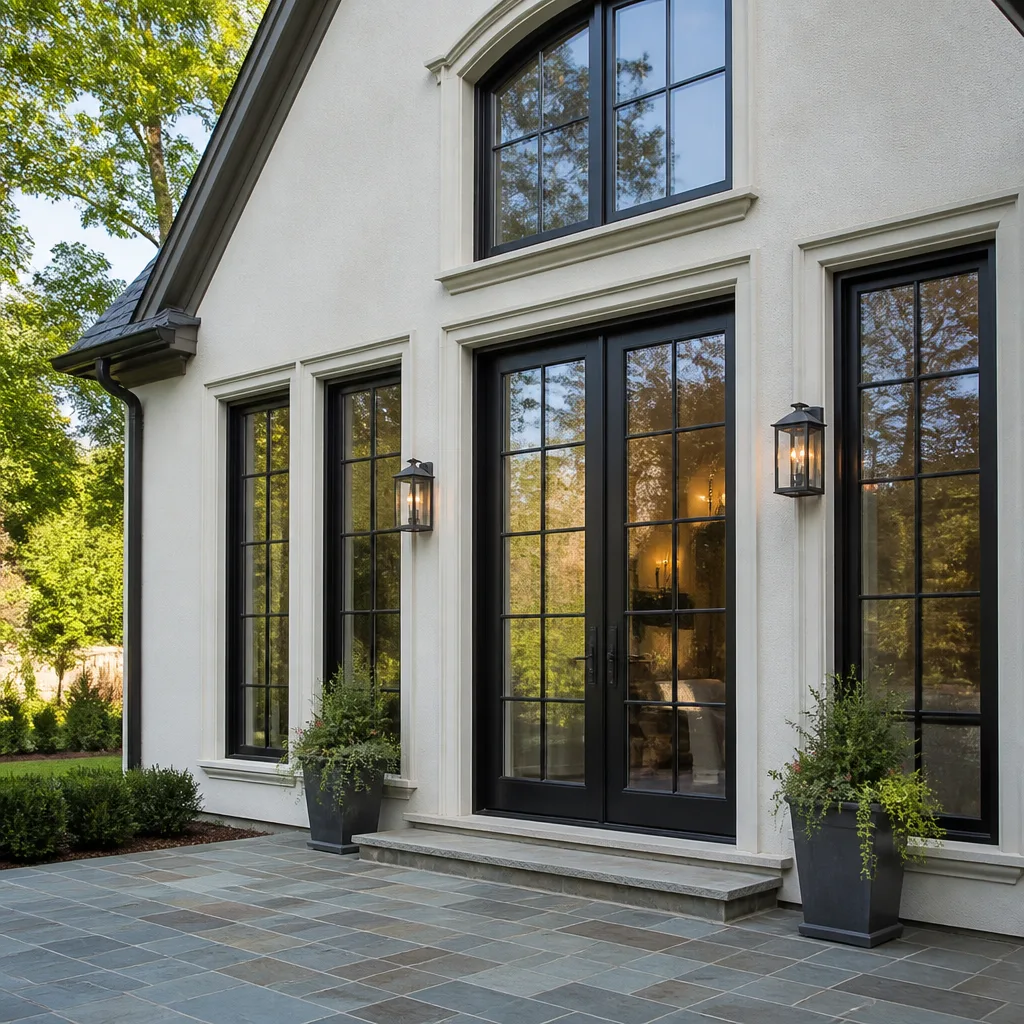
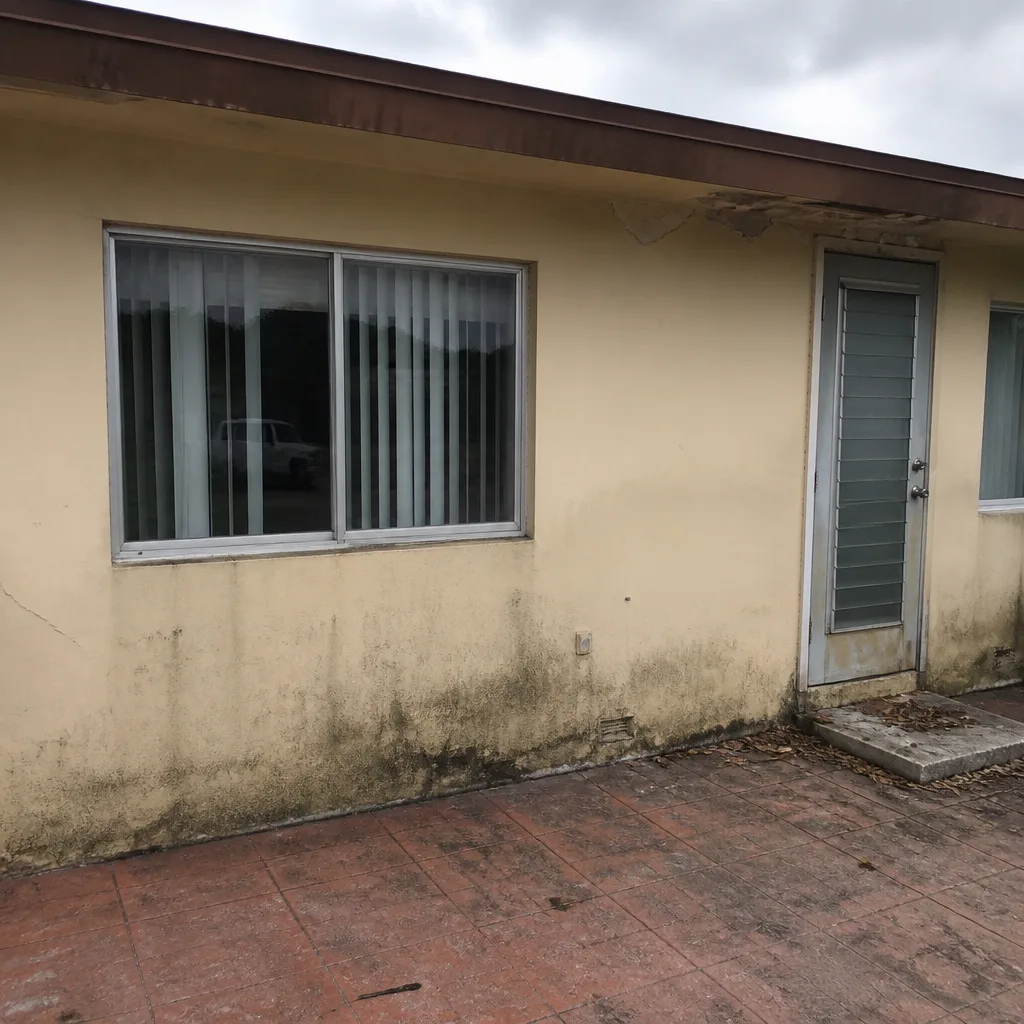 Before
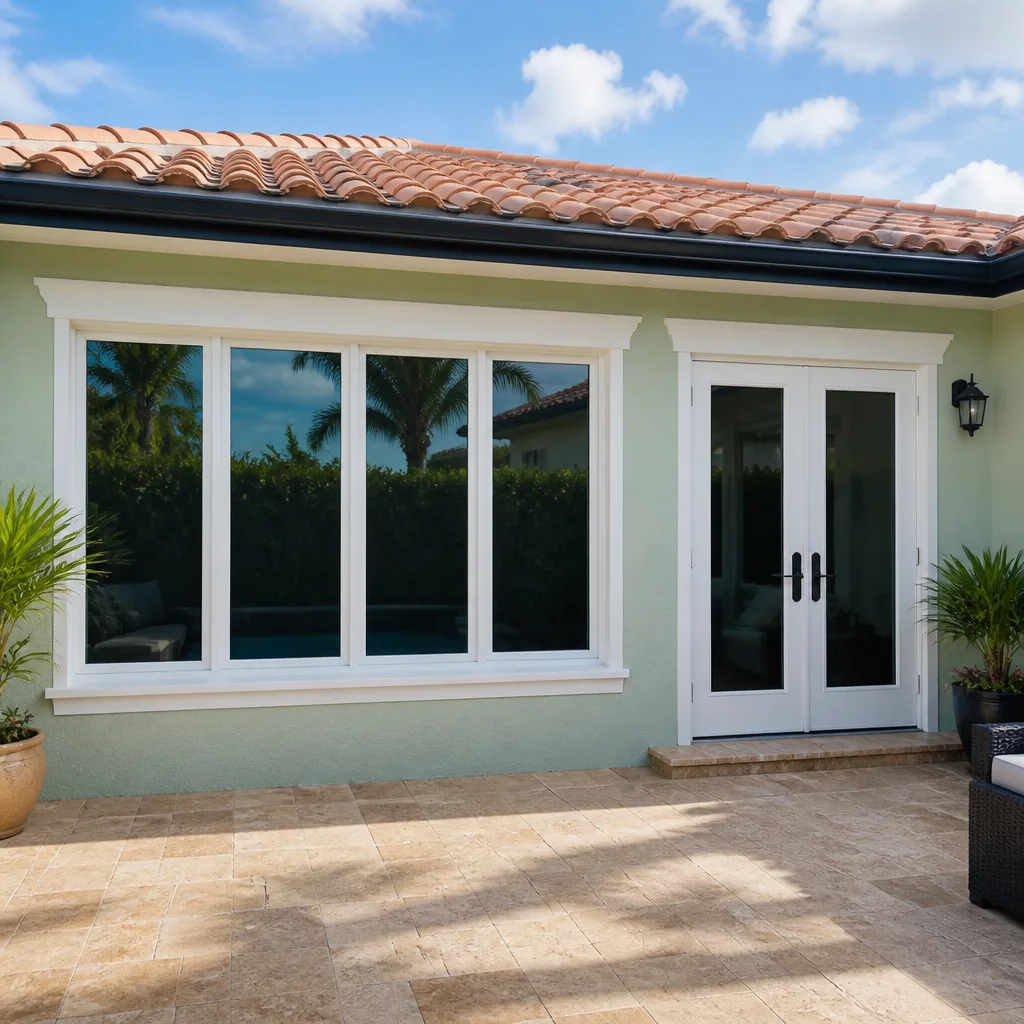 After
After Before
 After
After Before
 After
AfterDIY vs Professional Windows & Doors: The Hialeah Homeowner’s Decision Guide
A homeowner in Miami-Dade County who installs their own impact windows without a licensed contractor can void their wind mitigation credit with their insurer - a credit worth $400 to $1,200 per year - because Florida’s Citizens Insurance and most private carriers require a permit with a licensed contractor of record to recognize the installation. In Hialeah, this is not a footnote. It is the central fact that determines whether DIY window and door work is even legally possible. This guide maps exactly what you can do yourself, what Florida Statute and Miami-Dade Building Code require a licensed contractor to handle, and how to protect the value of your home when you sell.
Quick Answer
In Hialeah, homeowners can legally perform surface maintenance on windows and doors - cleaning, lubrication, caulking touch-ups - following our Seasonal Windows & Doors Care for Hialeah: Year-Round Homeowner’s Guide - but cannot install, replace, or anchor any window or door unit without a licensed contractor pulling permits and closing inspections. The installed product’s Notice of Acceptance (NOA) is void if the anchor pattern deviates from the approved engineering, and your wind mitigation insurance credit is void without a permitted installation with a licensed contractor of record. The only legitimate DIY role is project manager: verify the quote, check the NOA numbers, and review the photo record against scope.
Table of Contents
- What Homeowners Can Legally Do Themselves in Florida
- What Requires a Licensed Contractor Under Miami-Dade Code
- HVHZ Permitting Explained: Why DIY Installation Is Not Permitted
- The Insurance Consequence: Wind Mitigation Credits and Your Annual Premium
- NOA Anchor Patterns: Why Technical Skill Is Not Enough
- The Real Cost of a Code Violation Discovered at Resale
- The Homeowner as Informed Project Manager
- When to Call a Professional
 Before
 After
AfterWhat Homeowners Can Legally Do Themselves in Florida
Florida Statute 489.103(7) and Miami-Dade County’s interpretation make a bright-line distinction between maintenance and construction. As a Hialeah homeowner, you do not need a license for the following:
- Glass cleaning and track maintenance. Removing sashes to clean weep holes, vacuuming debris from sliding door tracks, and washing exterior glass with appropriate cleaners. This is routine upkeep, not modification.
- Hardware lubrication and adjustment. Applying silicone spray to rollers, adjusting strike plates on entry doors, tightening visible screws on hinges. These are homeowner maintenance items per manufacturer warranty guidelines from PGT, CGI, and other lines we specify.
- Surface sealant renewal. Applying painter’s caulk to interior trim gaps or exterior sealant beads where the existing joint has cracked. This is cosmetic; it does not replace the primary weather barrier installed during original construction.
- Interior trim repair. Replacing damaged casing or sill stool material that does not affect the window’s structural attachment to the frame.
What you cannot do: remove and replace the unit, modify the anchor pattern, install new flanges, or alter the structural opening. The moment a tool touches the rough opening or the nailing fin, you have crossed into work that requires a Miami-Dade County Building Department permit and a licensed contractor of record.
In our experience across Hialeah neighborhoods from West Hialeah to Palm Springs, homeowners who attempt to save money by self-installing often stop at the right boundary - until they discover that the “simple replacement” they watched online required cutting stucco, modifying the buck frame, or relocating an anchor point to miss existing plumbing. At that point, the project is already in violation.
What Requires a Licensed Contractor Under Miami-Dade Code

Miami-Dade Building Code, Chapter 10, and the Florida Building Code’s HVHZ (High Velocity Hurricane Zone) provisions require licensed contractor involvement for the following:
- Product installation and replacement. Any removal of an existing window or door unit and installation of a new unit, including like-for-like replacements.
- Anchor and fastening work. Installation of expansion anchors, Tapcons, or embedded fasteners into concrete or masonry. The torque specification, embedment depth, and spacing are all NOA-dependent.
- Flashing integration. Installation or modification of pan flashing, head flashing, or jamb flashing that maintains the drainage plane continuity. In Hialeah’s driving rain environment, this is not optional detail work; it is the difference between a dry wall cavity and a mold remediation.
- Permit application and closeout. Only a licensed contractor can pull a building permit in Miami-Dade County for window and door work. The permit application requires the contractor’s license number, insurance certificate, and affidavit of competency.
- Inspection scheduling and correction. Rough inspection, final inspection, and any required re-inspection must be coordinated by the permit holder.
The license required is a Florida Certified Building Contractor (CBC) or Residential Contractor (CRC), or a Miami-Dade County registered equivalent. A handyman license, occupational license, or out-of-state contractor registration does not qualify for permit pulls in Miami-Dade.
At Sightline Windows & Doors Hialeah home, our crews arrive with license numbers visible on their uniforms - Haven Clause 3, Verified Crews. The customer sees the same number that appears on the permit application. There is no substitution, no day-labor arrangement, and no gap between the person at the door and the person on the county record.
HVHZ Permitting Explained: Why DIY Installation Is Not Permitted
Hialeah sits entirely within the High Velocity Hurricane Zone, defined as areas where the basic wind speed equals or exceeds 170 mph in the 2023 Florida Building Code. This is not a suggestion for stronger products. It is a legal classification that triggers specific product approval and installation requirements.
Here is the sequence that makes DIY installation impossible in practice:
- Product selection requires Miami-Dade NOA or Florida Product Approval. Every window and door installed in Hialeah must carry a current Notice of Acceptance (NOA) from Miami-Dade County or a Florida Product Approval (FPA). The NOA is not a marketing document. It is an engineering evaluation that specifies exact installation conditions: anchor type, spacing, embedment depth, maximum opening size, and approved substrate.
- The permit application requires the NOA number and the installing contractor’s license. Miami-Dade Building Department cross-references the NOA against the contractor’s qualification to install that product category. A contractor without impact-rated installation experience on their record may be flagged for additional review.
- The inspection verifies NOA compliance, not general workmanship. The inspector does not ask whether the window looks straight. The inspector asks: What is the anchor spacing? What is the embedment depth? Does the flashing match the NOA detail? These are document-to-field comparisons that require the permit holder to be present and accountable.
- Permit closeout generates the documentation your insurer requires. The closed permit with final inspection approval is the evidence that Citizens Insurance, Universal Property & Casualty, and other carriers require to maintain or establish wind mitigation credits.
Without this closed permit, your installation exists in a legal and financial gray zone. It may function. It may look correct. It does not count for insurance purposes, and it becomes a material defect in a real estate transaction.
We have replaced windows in Hialeah homes where the previous owner self-installed impact-rated products in 2018, never pulled permits, and the current seller is now facing a $4,200 open-permit remediation to close the sale. The windows were PGT WinGuard, a product we regularly specify. The installation was not the problem. The documentation was.
The Insurance Consequence: Wind Mitigation Credits and Your Annual Premium
This is the point most Hialeah homeowners discover too late. Wind mitigation credits are not automatic. They are earned through documented evidence of hurricane-resistant construction features, submitted on Florida’s Uniform Mitigation Verification Inspection Form (OIR-B1-1802).
The form has seven sections. Sections 1 through 4 cover roof features. Sections 5 and 6 cover opening protection - windows, doors, and skylights. To receive credit for impact-rated opening protection, the inspector must verify:
- The product is listed on the Florida Product Approval website or has a current Miami-Dade NOA.
- The product is installed according to that approval.
- The installation was permitted and inspected with a licensed contractor of record.
A self-installed impact window with a valid NOA but no permit generates zero credit. The inspector cannot verify installation compliance without the permit record and final inspection. The form requires the permit number or a photograph of the NOA label with the installed product - and even with the label photo, many inspectors will not sign without permit documentation.
The dollar impact in Hialeah’s current insurance market:
| Coverage Scenario | Annual Premium Without Mitigation Credits | Annual Premium With Full Credits | Annual Difference |
|---|---|---|---|
| $350,000 dwelling, Citizens Insurance, Hialeah ZIP 33012 | $4,800-$6,200 | $3,400-$4,800 | $1,000-$1,800 |
| $450,000 dwelling, private carrier, Hialeah ZIP 33018 | $5,500-$7,500 | $4,200-$5,800 | $900-$1,700 |
| $250,000 dwelling, Citizens Insurance, Hialeah ZIP 33010 | $3,800-$5,100 | $2,800-$3,900 | $800-$1,200 |
These ranges reflect Citizens Insurance filings and private market quotes we have reviewed with Hialeah customers in 2024-2025. Your exact premium depends on roof age, construction type, and deductible selection. The wind mitigation credit for opening protection typically accounts for 15-25% of the total mitigation discount.
Over a 10-year ownership period, a voided wind mitigation credit costs $8,000 to $18,000 in additional premium. Against this, the perceived savings of DIY installation - typically $800 to $1,500 in labor avoidance - is not arithmetic that holds up.
NOA Anchor Patterns: Why Technical Skill Is Not Enough
The Notice of Acceptance for every impact-rated window and door specifies an anchor pattern: the type, size, spacing, and embedment depth of fasteners that transfer wind load from the frame to the substrate. This is not a recommendation. It is a tested and approved engineering condition. Deviation voids the NOA and the product’s rated performance.
Consider a typical PGT WinGuard aluminum single-hung window, 36 inches by 60 inches, installed in a Hialeah concrete block wall. The NOA may specify:
- 1/4-inch by 2-3/4-inch stainless steel Tapcon anchors
- Maximum spacing of 12 inches on center along jambs and head
- Minimum embedment of 1-1/2 inches into masonry
- Minimum edge distance of 1-1/2 inches from frame edge to anchor center
- Specific jamb anchor detail for openings over 48 inches wide requiring intermediate fastening
A mechanically skilled homeowner can read these specifications. They can purchase the correct anchors. They can drill to the correct depth. What they cannot do is be the contractor of record on the permit that validates the installation. The NOA compliance is not self-certifying. It requires inspection by Miami-Dade County, and inspection requires a permit, and a permit requires a licensed contractor.
We have encountered installations in Hialeah where the anchor pattern was technically correct - spacing, embedment, torque all matched the NOA - but the homeowner used a non-approved anchor type (zinc-plated instead of stainless, for instance, in a salt-air environment). The product fails inspection not because it will fail in the next storm, but because it deviates from the tested and approved condition. The NOA is a contract between the manufacturer, the engineer, and the building official. It does not accommodate improvisation.
At Window Installation in Hialeah, our measured survey documents the substrate condition, the existing anchor locations if replacement, and the specific NOA detail that will govern the installation. The customer keeps this survey. The written quote references the same NOA number. The photo record shows the installed anchor pattern. This is Haven Clause 4: Evidence on every job. It is not an extra service. It is the standard.
The Real Cost of a Code Violation Discovered at Resale
An unpermitted window or door installation in Hialeah does not remain hidden. It surfaces in one of three ways, each with documented costs:
Scenario 1: Open permit discovered in title search. Miami-Dade County maintains permit records indefinitely. A title company or buyer’s agent pulls a permit history. An open permit - application submitted, never closed - triggers a lender requirement for resolution before closing. The remediation path: re-activate the permit (if within the original application window, rarely possible after 180 days), or apply for a new permit with current code compliance, which may require removal of finishes to expose the installation for inspection.
Miami-Dade Building Department fee schedule (2024): New permit application for window replacement, $85 base plus $12 per opening. Re-inspection fee, $75 per visit. If the original work must be exposed: additional permit for finish removal and replacement, $65 base. If the installation predates current code and must be brought to current NOA standards: full replacement may be required.
Scenario 2: No permit on record, buyer requests inspection. The buyer’s home inspector notes new-appearing windows with no permit sticker. The buyer’s insurer requires wind mitigation form. The form cannot be completed for opening protection credit. The buyer negotiates a credit or requires permit application before closing. The seller must now permit retroactively, which Miami-Dade allows only with a licensed contractor’s affidavit that the installation meets current code - and the contractor must expose the work for inspection.
Typical retroactive permit cost in Hialeah: $2,800-$4,500 for three to five openings, including permit fees, contractor mobilization, finish removal, inspection exposure, and re-finishing. This assumes the original installation was code-compliant. If anchors, flashing, or product selection must be corrected, costs escalate to full replacement.
Scenario 3: Code violation cited by neighbor complaint or city inspection. Miami-Dade’s Code Compliance Department responds to complaints. An unpermitted installation visible from the property line can trigger a violation notice with a compliance deadline. The fine structure: $250 per day after the compliance deadline, up to $10,000 per violation, plus the cost of permitted remediation.
In Hialeah’s dense neighborhoods - Palm Springs, West Hialeah, the areas near Westland Mall - property lines are close and neighbor awareness is high. We have been called to remediate installations where the violation was triggered not by a sale, but by a fence dispute or addition project that brought a city inspector to the property.
The documented photo record we provide on every Window Replacement in Hialeah exists precisely to prevent these scenarios. The customer has dated, geotagged evidence of code-compliant installation from day one. The permit is closed. The inspection passed. The wind mitigation form is completable. The resale is unencumbered.
The Homeowner as Informed Project Manager
If you cannot install your own windows and doors in Hialeah, what can you do? You can manage the project with the same rigor a general contractor applies to a commercial job, as outlined in our How to Hire a Windows & Doors Contractor in Hialeah: A Step-by-Step Guide. This is the legitimate DIY role, and it requires no license - only attention and documentation.
Step 1: Verify the quote is a single document. Haven Clause 1 requires that the measured survey and the written price be the same document. When you receive a quote, check: Does it reference specific opening dimensions? Does it name the manufacturer and product line? Does it specify the NOA number? Does it include the permit fee as a line item? A quote that says “replace 5 windows, $8,500” is not a scope. It is an estimate. A quote that says “Opening 1: living room, 48″ x 60″, PGT WinGuard SH480, NOA 21-0515.12, $1,847 including permit” is a contract document.
Step 2: Confirm the product NOA independently. Visit the Miami-Dade County Building Code Compliance Office product control search or the Florida Product Approval website. Enter the NOA number from your quote. Verify the product is current (not expired or superseded). Verify the NOA covers your installation conditions - substrate type, opening size, wind zone. Print or save the PDF. This is your evidence if a question arises later.
Step 3: Review the crew documentation before arrival. Haven Clause 3 requires verified crews. The contractor should provide, before the work date: the lead technician’s name, license number, and photo identification. Cross-reference the license number on the Florida Department of Business and Professional Regulation website. Verify it is active and includes the window and door endorsement.
Step 4: Inspect the photo record against the contracted scope. After installation, you should receive dated photographs of: the exposed rough opening before installation, the anchor pattern during installation, the flashing detail, the closed permit sticker, and the finished interior and exterior. Use our Window Installation Maintenance Checklist for Hialeah Homeowners to compare these to your single-document quote. Does the installed product match the specified manufacturer and model? Does the anchor spacing match the NOA detail? Is the permit sticker visible and legible?
Step 5: Obtain the closed permit documentation. The contractor should provide the final inspection approval, either as a physical green tag or as electronic confirmation from Miami-Dade’s online system. File this with your wind mitigation inspection paperwork. If your insurer requests evidence of opening protection, this is the document they need.
This level of homeowner involvement does not replace the licensed contractor. It ensures the contractor’s work is accountable, documented, and verifiable. In our experience, Hialeah homeowners who follow this process have smoother inspections, faster insurance processing, and no surprises at resale.
Common Mistakes to Avoid
- Assuming “impact-rated” on the label means “impact-rated” for your insurer. The product must be installed per its NOA by a licensed contractor with a closed permit. The label alone is insufficient. We have seen Hialeah homeowners purchase impact windows from salvage or online resale, install them, and discover their insurer will not recognize the installation.
- Using a handyman who “knows windows” but lacks a CBC or CRC license. Miami-Dade does not permit handyman license holders to pull building permits for window and door replacement. The work may be skilled. It is still unpermitted. At closing, the permit history does not show a licensed contractor of record.
- Accepting a verbal “permit included” without seeing the application. The permit application is a public record filed with Miami-Dade County. Request the application number before work begins. Verify it on the county’s online portal. A contractor who delays or deflects this request may not have applied.
- Ignoring the substrate condition in older Hialeah homes. Homes built before 1990 in neighborhoods like East Hialeah or Hialeah Gardens often have steel lintels with corrosion, or original wood bucks with rot. A replacement window installed without addressing substrate decay will fail at the anchor line, regardless of product quality. The measured survey must include frame readings and substrate assessment.
- Choosing product by price alone without checking NOA compatibility. A lower-cost window from one manufacturer may have an NOA that requires closer anchor spacing, more fasteners, or specific substrate preparation that erases the material savings in labor. The total installed cost, not the unit price, determines value.
- Failing to document the pre-existing condition. Before any replacement, photograph the existing windows, surrounding walls, and interior finishes. If damage occurs during installation, the contractor’s insurance should cover it - but documentation establishes the baseline. Our standard photo record begins with pre-installation images for this reason.
- Neglecting to file the wind mitigation form after installation. The closed permit enables the credit, but you must still schedule a wind mitigation inspection and submit the form to your insurer. Many Hialeah homeowners complete excellent installations, then leave the premium reduction unclaimed for years.
When to Call a Professional
Call a licensed contractor for any window or door installation, replacement, or structural modification in Hialeah. This is not a skill judgment. It is a legal requirement with financial consequences that compound over time.
Specifically, contact a professional when: your home is in the HVHZ (all of Hialeah is); your insurer requires wind mitigation credits; you plan to sell within 10 years; your existing windows are original to a pre-1992 home; you have experienced water intrusion around existing units; or you are converting a window to a door, a door to a window, or any opening size change.
Door Installation in Hialeah and window replacement are governed by the same permitting and inspection requirements. The product categories differ - sliding glass doors, French doors, impact garage doors - but the legal framework does not.
Sightline Windows & Doors Hialeah offers free estimates in Hialeah. Call (786) 574-2745 to schedule your measured survey. You will receive a single-document quote with named product, NOA number, and line-item pricing including permit fees. The quote you keep and the final invoice are the same document - Haven Clause 1 since 2012. For more guides & resources on protecting your home, visit our blog.
Frequently Asked Questions
No. Miami-Dade Building Code requires a licensed contractor to pull permits for all window and door installations, and only the permit holder can schedule inspections and close the permit. Your construction skill does not override the licensing requirement, and your insurer will not recognize the installation for wind mitigation credits without a licensed contractor of record.
Call (786) 574-2745 for a free estimate - we will review your project scope and provide a single-document quote you can compare against any competitor’s written estimate.
Professional installation for a standard single-hung impact window in Hialeah typically ranges from $1,400 to $2,800 per opening, including product, permit, and labor, depending on size, substrate condition, and product tier. DIY material-only costs for the same product range from $800 to $1,500 per unit, but this excludes permit fees, inspection costs, tool rental, and the labor value of your time. The more significant cost difference appears over time: a permitted professional installation preserves $800 to $1,800 in annual wind mitigation credits and avoids $2,800 to $4,500 in retroactive permit costs at resale.
Call (786) 574-2745 for an exact quote - estimates are free and include line-item pricing.
Your insurer will know if you cannot produce a closed permit with a licensed contractor of record when they review your wind mitigation form. The form requires the permit number or inspector verification. Without this documentation, the opening protection section of the form cannot be completed, and the credit is denied. Some insurers also pull permit histories during policy renewal or after claims. An unpermitted installation discovered after a storm damage claim can complicate or reduce coverage.
Call (786) 574-2745 - we provide the documented photo record and closed permit documentation your insurer requires.
A Notice of Acceptance is a Miami-Dade County engineering evaluation that certifies a window or door product meets HVHZ performance requirements for a specific set of installation conditions. It matters because your installation must match the NOA exactly - product model, anchor type, spacing, embedment, substrate, and flashing detail - to be code-compliant. Using a product without a current NOA, or installing it outside the NOA conditions, voids the product’s rated performance and your insurance recognition. At Sightline, we specify the NOA number on every line of your quote.
Call (786) 574-2745 to review NOA requirements for your specific openings.
Miami-Dade County allows homeowner permits only for specific trade work on single-family homes occupied by the owner - electrical, plumbing, mechanical - and only after passing a competency exam. Window and door installation is not on the list of homeowner-permissible trades. The building department requires a licensed contractor for these installations. Even in jurisdictions with broader homeowner permit allowances, the HVHZ classification overrides with its contractor-of-record requirement.
Call (786) 574-2745 - we handle permit application and closeout as standard on every job.
Verify the license on the Florida Department of Business and Professional Regulation website (myfloridalicense.com). Enter the license number; confirm status is “Active,” the classification is Certified Building Contractor (CBC) or Certified Residential Contractor (CRC), and there are no current complaints or disciplinary actions. Verify insurance by requesting a certificate of insurance naming you as certificate holder; confirm general liability and workers compensation coverage are current. At Sightline, our technicians arrive with license numbers on their uniforms, and we provide insurance documentation before any work begins - Haven Clause 3, Verified Crews.
Call (786) 574-2745 to request license and insurance verification before scheduling your estimate.
You should receive: the measured survey you kept from the estimate phase; the final invoice matching the quoted scope; dated photographs of the installation process and finished work; the closed permit documentation or final inspection approval; the manufacturer’s warranty registration; and the contractor’s workmanship warranty. At Sightline, this is standard on every job - Haven Clause 4, Evidence on every job, and Haven Clause 5, No surprises. The 365-Day Done Right Promise is written into every contract, not offered as a courtesy.
Call (786) 574-2745 to schedule an installation with full documentation.
The Bottom Line
In Hialeah, the DIY versus professional question for windows and doors is settled by law, not by skill level. Florida Statute and Miami-Dade Building Code reserve installation, anchoring, flashing, and permitting for licensed contractors. The financial consequences of self-installation - voided wind mitigation credits worth $800 to $1,800 annually, retroactive permit costs of $2,800 to $4,500 at resale, and potential code violation fines - far exceed any labor savings. The legitimate and valuable DIY role is project manager: verify the single-document quote, confirm the NOA independently, inspect the photo record, and file the closed permit with your insurer. This protects your investment, your premium, and your resale value without crossing the legal line.
Written by Sonia Raman, Owner at Sightline Windows & Doors Hialeah, serving Hialeah since 2012.