
Last updated September 24, 2026
Free in-home measure and quote - PGT, CGI and CWS impact lines compared on your actual openings, style by style
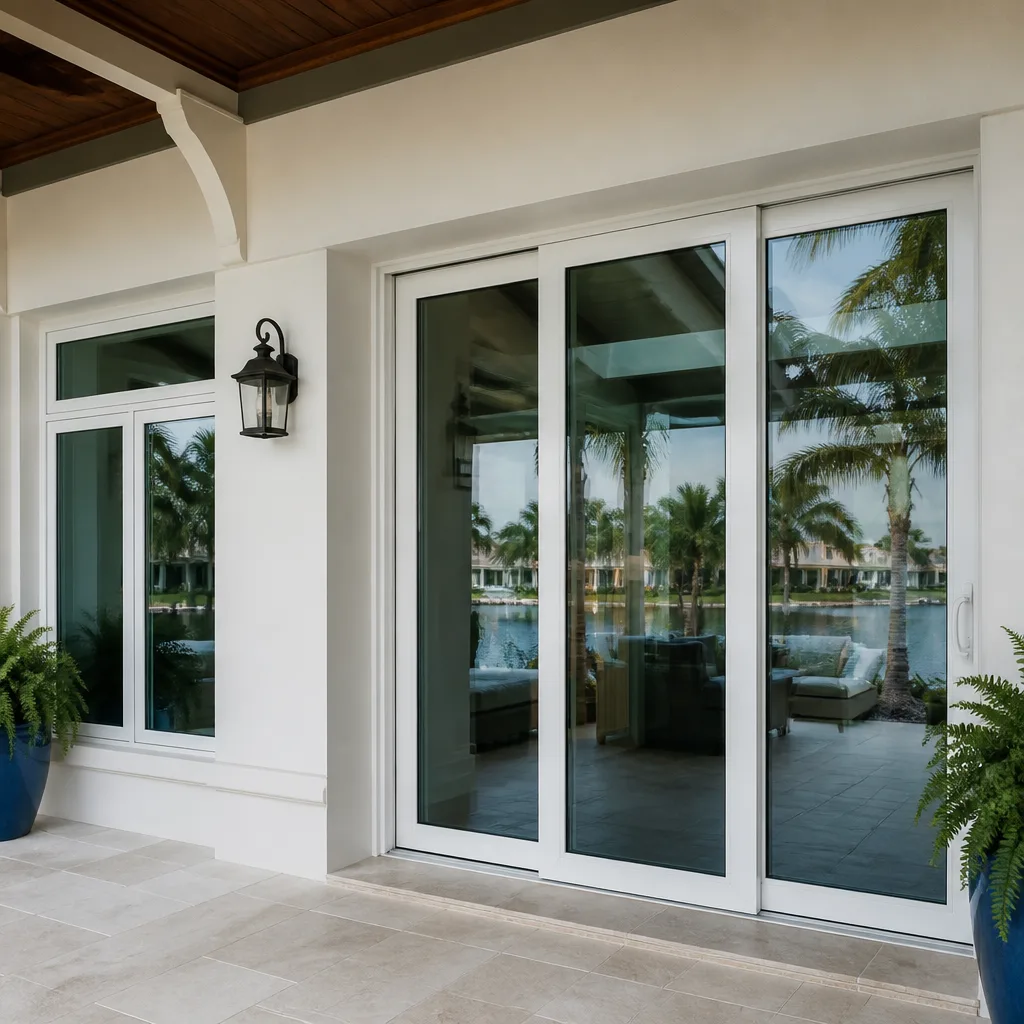

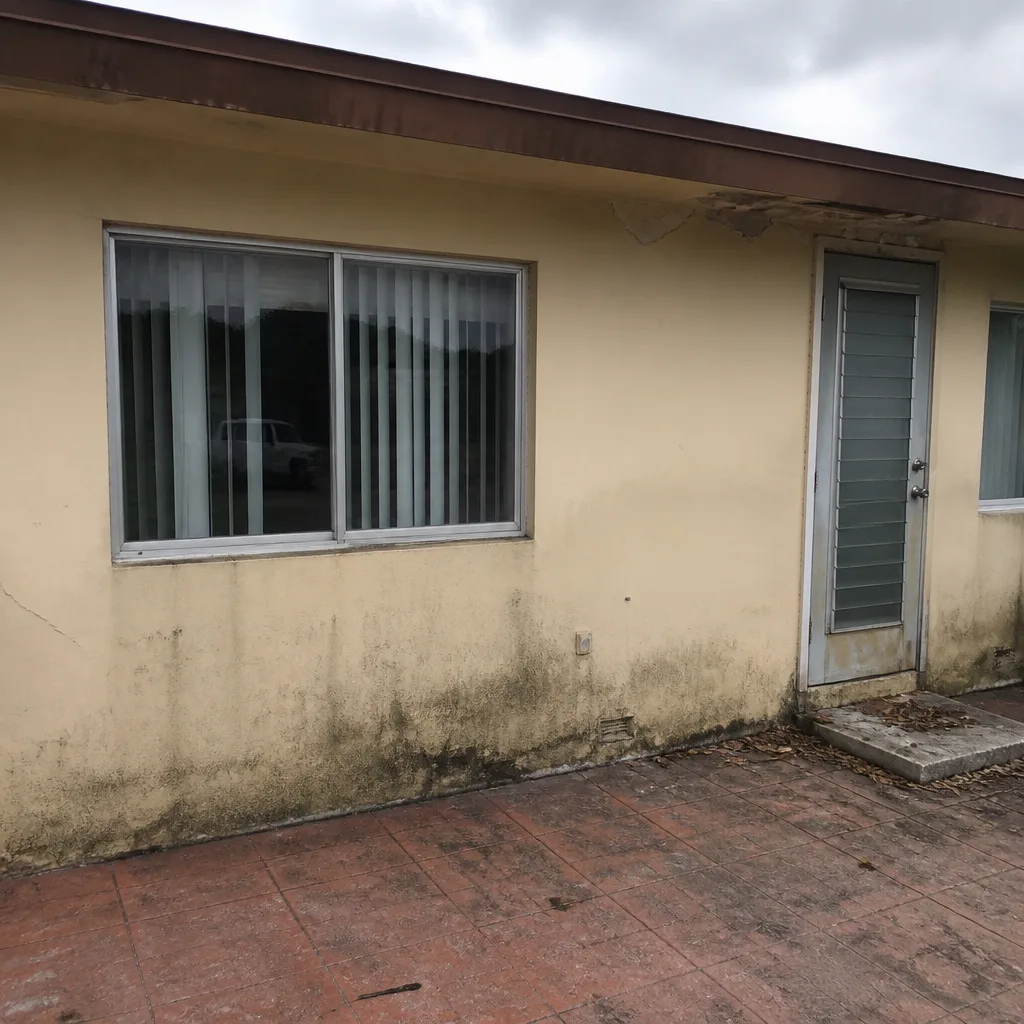 Before
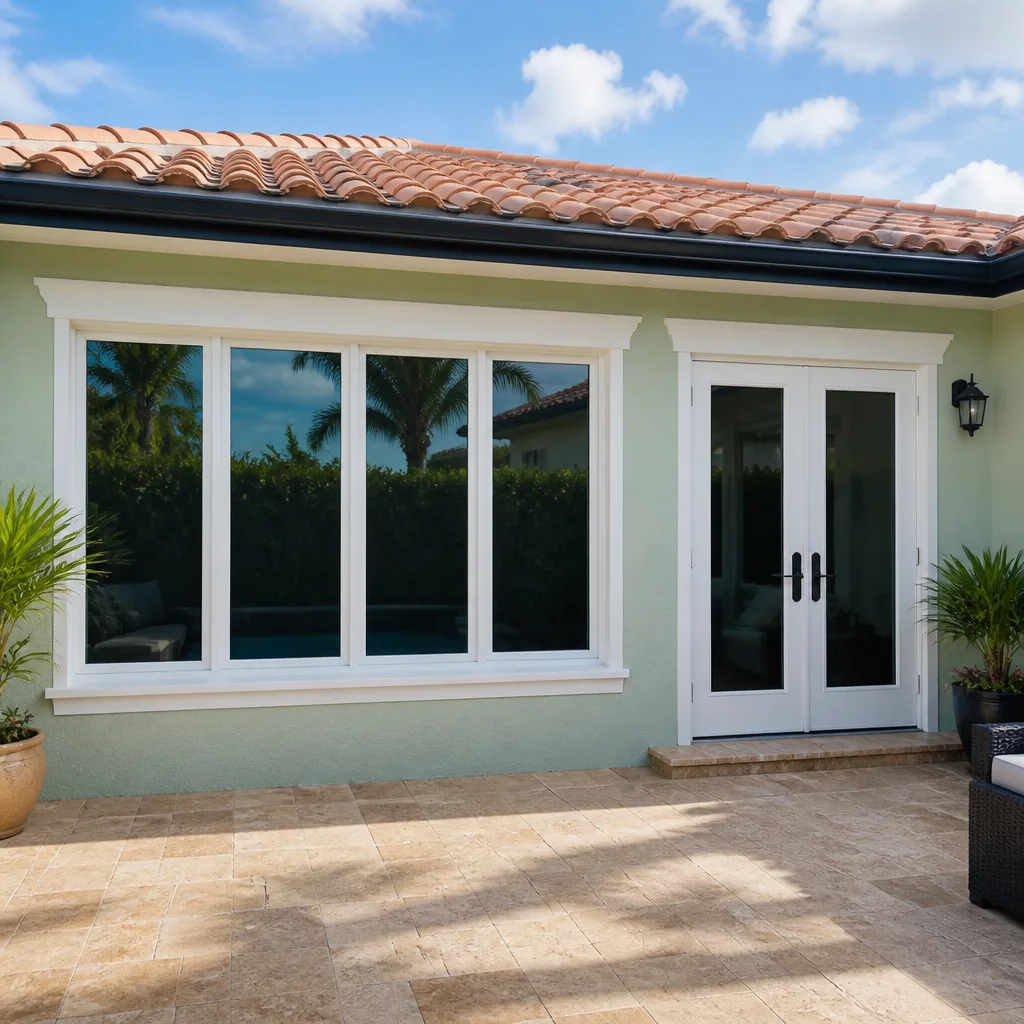 After
After Before
 After
After Before
 After
AfterWindows & Doors Warning Signs: A Hialeah Homeowner’s Reference Guide
A sill with efflorescence - white salt deposits on the concrete below a window frame - is not a cosmetic issue. It is proof that water is moving through the rough opening, which in Miami-Dade’s CBS block construction means the steel lintel above may already be rusting inside the masonry. In Hialeah, where the wet season delivers 60 inches of annual rainfall and salt air accelerates corrosion, most window and door failures give 6-to-18 months of visible warning before they become structural, insurance, or code-compliance problems. Our Complete Guide to Windows & Doors in Hialeah catalogs those specific signals, describes what causes each one, and states plainly whether each requires immediate action or scheduled repair. No urgency theatre. Just documented indicators you can verify yourself.
Quick Answer
Most failing windows and doors in Hialeah announce themselves through ten specific warning signs: frame separation, glazing fog, hardware binding, flashing gaps, sill efflorescence, threshold rot, sealant failure, impact-layer cracks, water stains on interior drywall, and operational noise. The cause determines responsibility - product defect, installation error, or maintenance neglect - and three of these signs mean the unit may no longer meet Miami-Dade HVHZ compliance, affecting hurricane insurance coverage.
Table of Contents
- The Ten Warning Signs Every Hialeah Homeowner Should Recognize
- Frame Failure: Separation, Warping, and Corrosion
- Glazing Fog: Testing for IGU Seal Failure
- Hardware Binding and Operational Resistance
- Flashing Gaps, Sill Efflorescence, and Water Intrusion
- Three Signs Your Window or Door Is No Longer HVHZ-Compliant
- The 10-Minute Annual Self-Inspection Protocol
- Repair vs. Replacement: Hialeah Cost Ranges
- Common Mistakes to Avoid
- When to Call a Professional
- Frequently Asked Questions
 Before
 After
AfterThe Ten Warning Signs Every Hialeah Homeowner Should Recognize
We have documented every opening we’ve touched since 2012 - more than 18,000 windows and doors - and the failures follow patterns. The following ten signs appear in roughly 90 percent of the service calls we run in Hialeah, Miami Lakes, and West Miami. Each is organized by component, with cause and urgency stated directly.
| Sign | Component | Typical Cause | Urgency |
|---|---|---|---|
| Frame separation from wall | Frame | Installation defect or structural settling | Schedule within 2-4 weeks |
| Fogging between panes | Glazing | IGU seal failure (product defect) | Schedule within 1-3 months |
| Hardware binds or grinds | Hardware | Corrosion, misalignment, or lack of lubrication | Address within 2 weeks |
| Flashing gaps or lifting | Flashing | Installation defect or sealant degradation | Immediate if water is entering |
| Sill efflorescence | Sill | Water intrusion through rough opening | Immediate - structural risk |
| Threshold rot or softness | Threshold | Water pooling + maintenance neglect | Schedule within 2-4 weeks |
| Sealant cracking or separation | Sealant | UV degradation or improper application | Schedule within 1-2 months |
| Impact-layer cracks or crazing | Glazing | Impact damage or thermal stress | Immediate - safety and code |
| Interior water stains | Multiple | Flashing or frame failure | Immediate if active leak |
| Operational noise (squeal, pop, grind) | Hardware/frame | Corrosion, misalignment, or wear | Address within 2-4 weeks |
The cause matters for financial responsibility. Product defects fall under manufacturer warranty. Installation defects are the original installer’s responsibility, though many Hialeah homeowners discover the original company has closed or changed names. Maintenance neglect - which includes failure to clean weep holes, re-lubricate hardware, or replace degraded sealant - is owner responsibility under every warranty we’ve reviewed from PGT, CGI, and Therma-Tru; see our DIY vs Professional guide for what you can safely handle yourself.
Frame Failure: Separation, Warping, and Corrosion
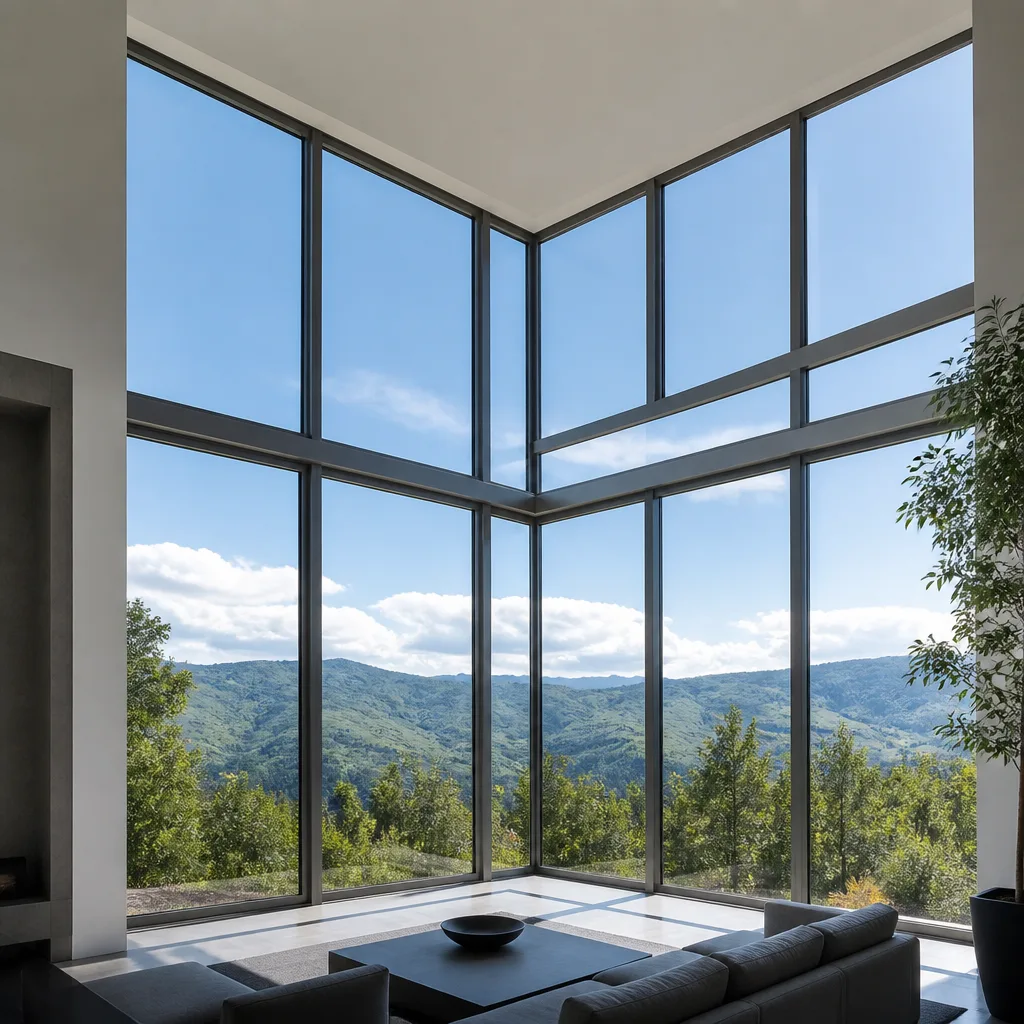
Frame separation is the warning sign most likely to become a structural problem in Hialeah’s concrete-block construction. You will see a gap between the window frame and the surrounding stucco or between the frame and the interior drywall. In some cases, the frame itself bows inward or outward, visible when you sight along the edge from one corner to the other.
The cause is usually one of three: inadequate fastening to the CBS block during installation, structural settling of the foundation common in Hialeah’s limestone substrate, or corrosion of the frame’s internal steel reinforcement from salt-air exposure. We see the third cause frequently in homes west of Okeechobee Road, closer to the Everglades, where groundwater carries higher mineral content.
To test: close the sash and check the reveal - the gap between sash and frame - at all four corners. It should be uniform within 1/16 inch. If the reveal narrows at one corner and widens at the opposite, the frame has racked. Another test: press the frame at the center of each side. Movement of more than 1/8 inch indicates the fasteners have loosened or the block anchors have failed.
Corrosion shows differently. Aluminum frames develop white powdery deposits at joints and corners. Vinyl frames discolor and become brittle, cracking when pressed. Steel frames - rare in post-Andrew construction but present in some older Hialeah homes - rust from the inside out, swelling the frame until the sash binds.
Responsibility: installation defect if fasteners are missing, undersized, or improperly placed. Product defect if the frame material fails within warranty period. Owner maintenance if the failure follows years of neglected weep-hole cleaning, which traps water against the frame interior.
Window replacement in Hialeah becomes necessary when frame distortion exceeds what shimming or re-anchoring can correct. We measure this during our survey and document it in the written scope you keep.
Glazing Fog: Testing for IGU Seal Failure
Fogging between panes is the most commonly misdiagnosed window problem we encounter. Homeowners often clean the exterior and interior surfaces repeatedly before realizing the moisture is trapped inside the insulated glass unit (IGU). An IGU consists of two or three panes separated by a spacer and sealed at the perimeter. The seal contains desiccant to absorb residual moisture. When the seal fails - typically from thermal cycling, manufacturing defect, or age - atmospheric moisture enters, condenses on the interior glass surfaces, and appears as fog, haze, or water droplets.
The definitive test requires no tools. On a morning when the exterior glass is dew-covered, mark the fogged area with a dry-erase marker on the interior surface. Wipe the interior glass clean. If the mark remains visible, the fog is between panes. If the mark wipes away with the condensation, the moisture is on the interior surface and indicates a humidity control problem in the home, not an IGU failure.
A secondary test: place a bright flashlight against the glass at night and view from the opposite side. A failed seal often shows as a rainbow or oil-slick pattern where the desiccant has saturated and begun to deposit on the glass interior. This pattern does not wipe off.
In Hialeah’s climate, IGU seal failure accelerates for windows facing west or south, where afternoon thermal gain expands and contracts the seal daily. We see this pattern in Palm Springs and Hialeah Gardens subdivisions built during the 2004-2007 construction boom, when demand outpaced manufacturer quality control.
Repair vs. replacement: IGU replacement - removing the sash, extracting the failed unit, and installing a new one - typically runs $280-$450 per opening in Hialeah, depending on size and whether the sash frame must be disassembled. Full sash replacement, which we recommend when the frame also shows wear, runs $650-$1,200 for standard sizes using PGT or CWS vinyl lines. Custom sizes and impact-rated units from ES Windows or Mr-Glass run higher. We provide the written price before any work starts, per Haven Clause 1.
Responsibility: product defect if within warranty period, which ranges from 10 years to lifetime depending on manufacturer. Installation defect if the IGU was damaged during original installation. Not owner maintenance - IGU seal failure is not caused by cleaning products, pressure washing, or neglect.
Hardware Binding and Operational Resistance
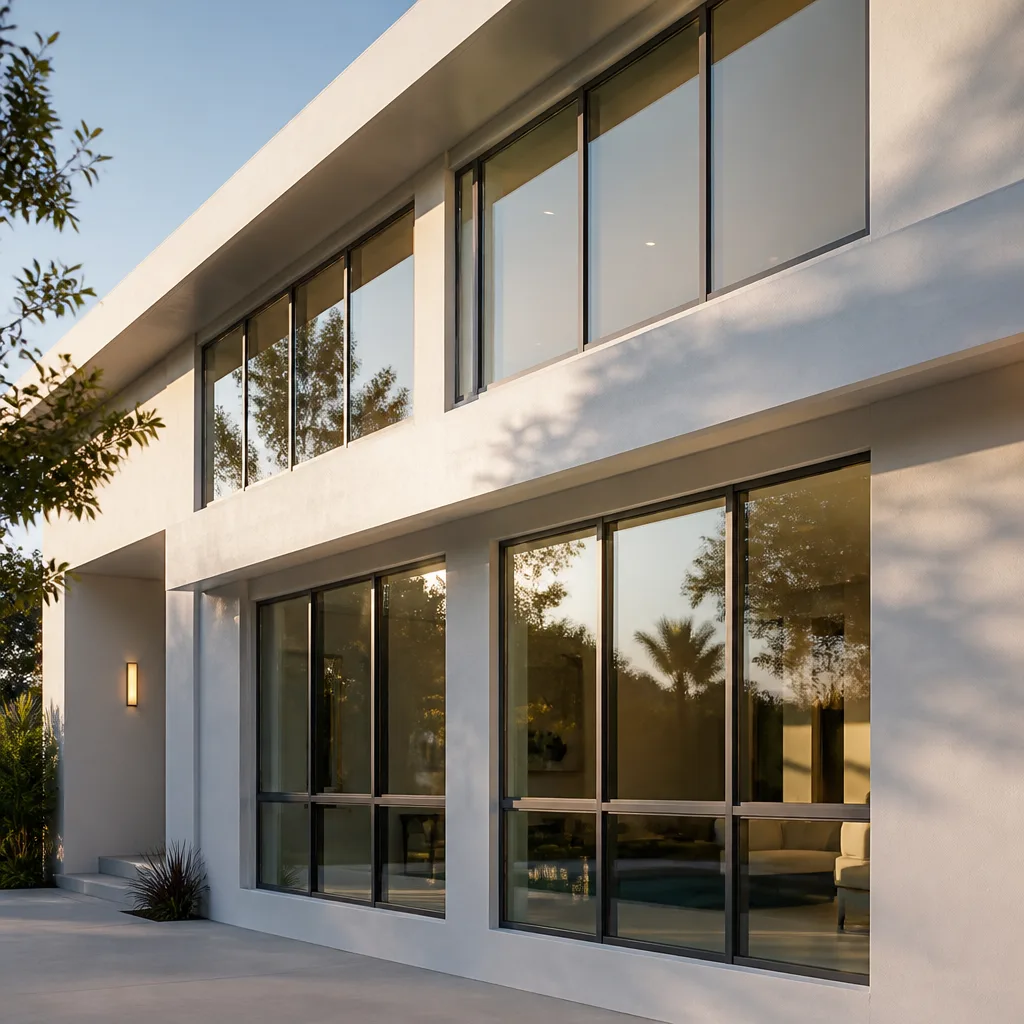
Hardware that requires increasing force to operate is a warning sign, not a quirk. The multi-point locking systems on modern Hialeah windows and doors are precision mechanisms. When a handle becomes stiff, a lock tongue fails to extend fully, or a sliding door requires shoulder pressure to move, something has changed in the alignment between sash and frame.
The causes, in order of frequency:
- Corrosion of hardware internals. Salt air penetrates the smallest gaps in plating. We disassemble hardware on failed units and find corrosion pits in the stainless steel beneath the chrome layer. This is most common within 2 miles of the coast, including eastern Hialeah near the airport corridor.
- Frame racking or settling. As described above, frame movement changes the alignment points where hardware engages. The lock tongue no longer enters the strike plate cleanly and begins to wear both surfaces.
- Lack of lubrication. Hinges, rollers, and locking mechanisms require annual lubrication with a silicone-based product. WD-40 is not suitable - it attracts dust and gums the mechanism. Homeowners who have never lubricated their hardware, or who used petroleum-based products, create this failure themselves.
- Impact or forced entry attempt. Bent handles, cracked escutcheons, or misaligned multi-point bolts indicate physical damage that may not be visible from the interior.
Testing protocol: operate the hardware through its full range with the door or window open. It should move freely. Then close it and operate again. Resistance that appears only when closed indicates frame or sash misalignment, not hardware failure. This distinction matters for repair scope.
Responsibility: owner maintenance for lubrication failure. Installation defect for misalignment that existed from day one. Product defect for premature corrosion within warranty. Physical damage is owner responsibility unless covered by insurance.
Door installation in Hialeah under the Haven Standard includes hardware adjustment and lubrication as part of the final walkthrough, with the settings documented in your photo record.
Flashing Gaps, Sill Efflorescence, and Water Intrusion
This section addresses the warning signs most likely to cause hidden structural damage in Hialeah homes. The combination of intense rainfall, salt air, and CBS block construction creates a specific failure mode: water enters at the window or door head, travels down the rough opening, and exits at the sill - or, worse, does not exit and saturates the block interior.
Flashing gaps appear as lifted edges, separated seams, or visible fasteners where the self-adhered membrane should sit flat against the substrate. The membrane’s job is to bridge the gap between window frame and wall, directing water to the exterior. In Hialeah’s heat, asphalt-based membranes degrade faster than butyl or rubberized asphalt products. We see this in homes built before 2010, when code allowed either type.
To inspect: from the exterior, look at the joint between window frame and wall surface. The flashing should be fully adhered with no bubbles, wrinkles, or gaps wider than 1/8 inch. At the head (top), the flashing should extend at least 4 inches up the wall and be overlapped by the weather-resistive barrier in shingle fashion. At the sill, it should extend to the exterior edge and include a backdam or slope to direct water out.
Sill efflorescence - those white salt deposits - indicates water is moving through the masonry and evaporating at the surface, leaving dissolved minerals behind. In CBS construction, this water path often contacts the steel lintel above the opening. Rusting steel expands to 2.5 times its original volume, cracking the surrounding block and spalling the stucco. We have documented lintel failures in Hialeah homes where the window showed no interior leak signs because the water path bypassed the interior entirely.
Interior water stains on drywall below or beside a window indicate the water path has reached the interior finish. The stain shape matters: a broad, diffuse stain suggests flashing failure at the head. A narrow, vertical stain suggests frame corner separation. A stain at the sill only suggests weep-hole blockage or negative slope allowing water to pool.
Responsibility: installation defect for flashing errors, which are common in Hialeah’s post-hurricane reconstruction periods when demand exceeded skilled labor supply; our step-by-step contractor hiring guide helps you avoid repeating those errors. Owner maintenance for weep-hole blockage or sealant failure. Product defect is rare for flashing itself, though some peel-and-stick membranes have had adhesion failures in high-heat applications.
Urgency: active water intrusion requires immediate attention. Efflorescence without active dripping should be addressed within 2-4 weeks, before the next heavy rainfall cycle.
Three Signs Your Window or Door Is No Longer HVHZ-Compliant

Miami-Dade’s High Velocity Hurricane Zone (HVHZ) requirements are among the strictest in the United States. A window or door that was compliant when installed may lose that status through damage, modification, or product failure. Three warning signs indicate potential non-compliance, and non-compliance affects your hurricane insurance coverage directly.
Sign 1: Impact-layer cracks or crazing. Impact-rated windows and doors contain a laminated inner layer - typically polyvinyl butyral (PVB) or ionoplast interlayer - designed to resist wind-borne debris. Surface cracks in the glass exterior may not penetrate this layer, but any crack that reaches the interlayer compromises the unit’s structural integrity under pressure cycling. Crazing - a network of fine cracks in the interlayer itself, visible when backlit - indicates UV degradation or chemical incompatibility. Either condition voids the product’s Miami-Dade Notice of Acceptance (NOA), and insurers increasingly require NOA-validated products for windstorm coverage.
Sign 2: Missing or altered impact-rated labels. Every HVHZ-compliant product carries a permanent label - usually etched or applied to the glass corner or frame edge - showing the manufacturer, product series, Miami-Dade NOA number, and installation requirements. If this label is painted over, removed during refinishing, or never present (common with some replacement IGUs installed by non-certified contractors), the unit cannot be verified as compliant. Insurance adjusters document missing labels after storm events and may deny claims on that basis.
Sign 3: Frame modifications or aftermarket hardware. Drilling new holes in impact-rated frames, installing non-approved locksets, or adding aftermarket window film can void the NOA. We see this frequently with security bars or child-safety devices installed by third parties. The frame’s engineered wall thickness and reinforcement pattern are part of the approved design; any alteration requires engineering review.
What this means for insurance: Florida insurers are increasingly requiring proof of HVHZ compliance for windstorm coverage, particularly in coastal counties. A non-compliant window or door may not trigger immediate premium increases, but it can result in claim denial or reduced payout after a storm event. Some insurers now require photo documentation of labels as part of policy renewal.
Verification: we can verify NOA status from manufacturer records if the label is legible. If labels are missing or damaged, replacement with a currently approved product - from PGT, CGI, CWS, or other verified lines - is the only path to documented compliance. We specify by what the opening requires, not by what is in stock.
Sightline Windows & Doors Hialeah home maintains current NOA documentation for all eight manufacturer lines we install.
The 10-Minute Annual Self-Inspection Protocol
We developed this protocol for homeowners who want to create their own dated record of window and door condition. Run it annually, ideally in October before the wet season ends and while any active leaks are still visible. The record supports insurance claims, warranty disputes, and maintenance planning.
Step 1: Exterior perimeter walk. Circle the house with a notepad. At each opening, note: flashing condition (flat, lifted, or gap), sealant condition (continuous or cracked), sill condition (dry, stained, or efflorescent), and frame condition (straight, bowed, or separated). Time: 3 minutes.
Step 2: Interior operation test. Open and close each window and door fully. Note: binding, noise, or resistance; hardware engagement (does the lock tongue enter fully?); and reveal uniformity (sight along the edge). Time: 3 minutes.
Step 3: Glazing inspection. On a morning with exterior dew, mark any fogged areas with dry-erase marker and test as described above. Backlight each opening at night with a flashlight to check for interlayer crazing. Note any cracks, chips, or label condition. Time: 3 minutes.
Step 4: Documentation. Photograph each noted condition with date stamp. Include wide shot for location context and close-up for detail. Create a single document: “Window/Door Inspection [Date] - [Address].” Store digitally and in physical file. Time: 1 minute.
This record becomes evidence if a warranty claim or insurance dispute arises. Haven Clause 4 - Evidence on every job - applies to our work; this protocol extends the principle to your ongoing maintenance.
Repair vs. Replacement: Hialeah Cost Ranges
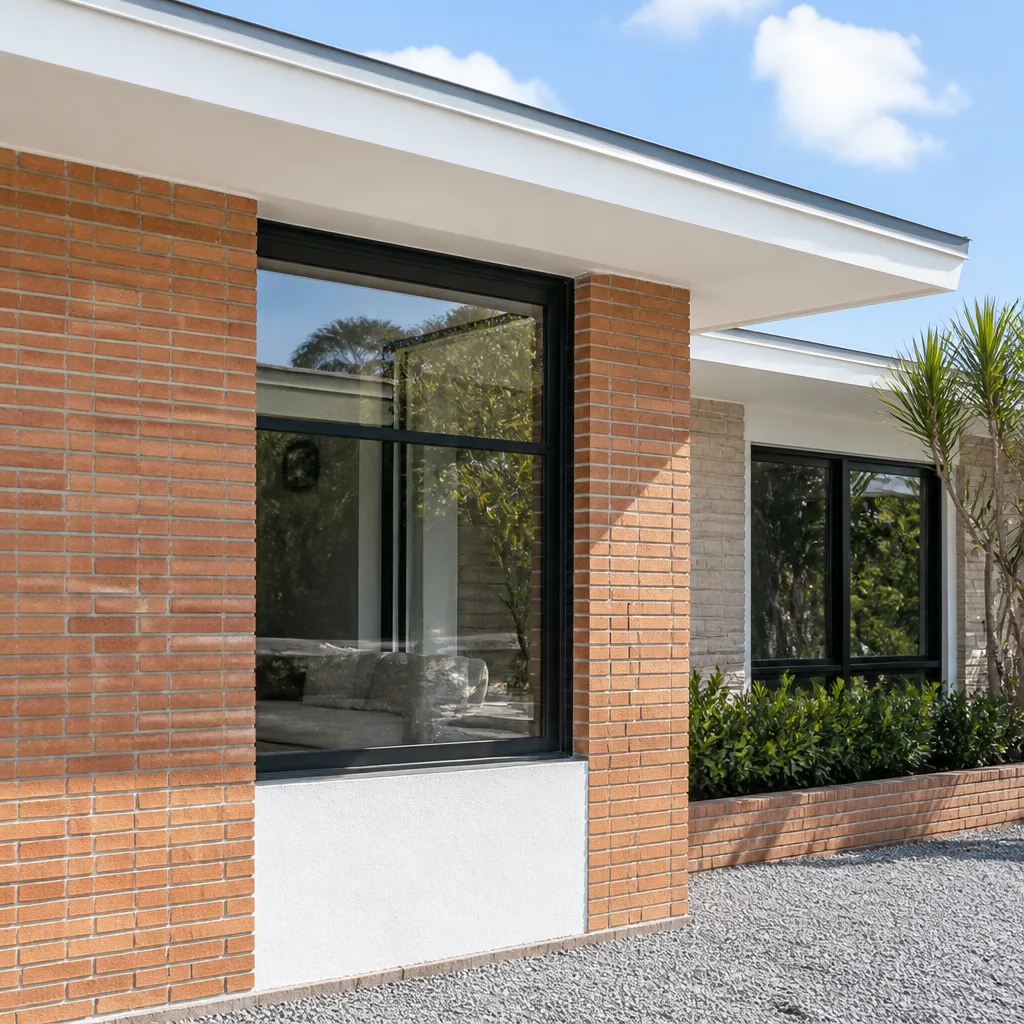
We name prices in dollars because Haven Clause 1 requires it. The ranges below reflect Hialeah market conditions as of our most recent survey, including permit costs and typical labor rates. Your specific opening may differ based on size, access, and product selection.
| Service | Typical Range | Notes |
|---|---|---|
| IGU replacement (standard size) | $280-$450 | Per opening; sash disassembly extra |
| Hardware repair/replacement | $150-$350 | Depends on mechanism complexity |
| Sealant replacement (per opening) | $120-$250 | Includes removal and proper backer rod |
| Flashing repair (localized) | $400-$800 | Requires exterior access; stucco repair separate |
| Full window replacement (vinyl, standard) | $650-$1,200 | PGT or CWS lines; non-impact |
| Full window replacement (impact-rated) | $1,100-$2,400 | PGT WinGuard, CGI Estate, ES Windows |
| Sliding door replacement (impact-rated) | $2,800-$5,500 | Includes threshold and hardware |
| Entry door replacement (fiberglass/steel) | $1,800-$4,200 | Therma-Tru or ViewLux; hardware extra |
| Custom geometric window | $1,500-$4,500 | Mr-Glass or ViewLux; lead time 4-6 weeks |
These ranges include the measured survey you keep, the written scope that becomes the final invoice, and the documented photo record. They do not include permit fees, which vary by municipality, or structural repairs to surrounding framing, which we identify during survey and price separately.
Our Free Second Opinion on Any Written Estimate means you can bring us a competitor’s quote and we will review it at no charge, or browse more guides & resources to compare approaches yourself. We have found that some Hialeah contractors quote IGU replacement when full sash replacement is needed, or omit permit costs that later appear as change orders. Our quote and our invoice are the same document.
Window installation in Hialeah under the Haven Standard includes all of the above with no surprise additions.
Common Mistakes to Avoid
- Assuming fog between panes means the whole window must be replaced. IGU replacement is often sufficient and costs 40-60 percent less than full sash replacement. Get a second opinion before committing to full replacement.
- Using silicone sealant over old caulk without full removal. New sealant will not bond to degraded old material. Proper preparation - removal, solvent cleaning, backer rod installation - takes time but determines longevity. In Hialeah’s UV exposure, a shortcut here fails within 18 months.
- Ignoring weep holes because the window “isn’t leaking.” Blocked weep holes trap water in the frame track, accelerating corrosion and creating the conditions for sill efflorescence. Clean them annually with a pipe cleaner or compressed air.
- Hiring based on lowest quote without verifying permit inclusion. Unpermitted window and door work in Miami-Dade creates title transfer problems and insurance complications. Verify permit costs are included and will be pulled by the contractor.
- Applying aftermarket window film to impact-rated glass. Some films create thermal stress that cracks the glass or voids the NOA. If you want additional shading, specify it at purchase for a compatible product.
- Waiting for “one more season” on active water intrusion. In Hialeah’s wet season, six months of unchecked water entry can rust a steel lintel to the point of structural compromise. The repair cost escalates from window work to masonry, structural steel, and stucco.
- Accepting verbal warranty terms without written documentation. Manufacturer warranties require product registration and installation documentation. Our 365-Day Done Right Promise is written into every contract under the Haven Standard, not offered as a courtesy.
When to Call a Professional
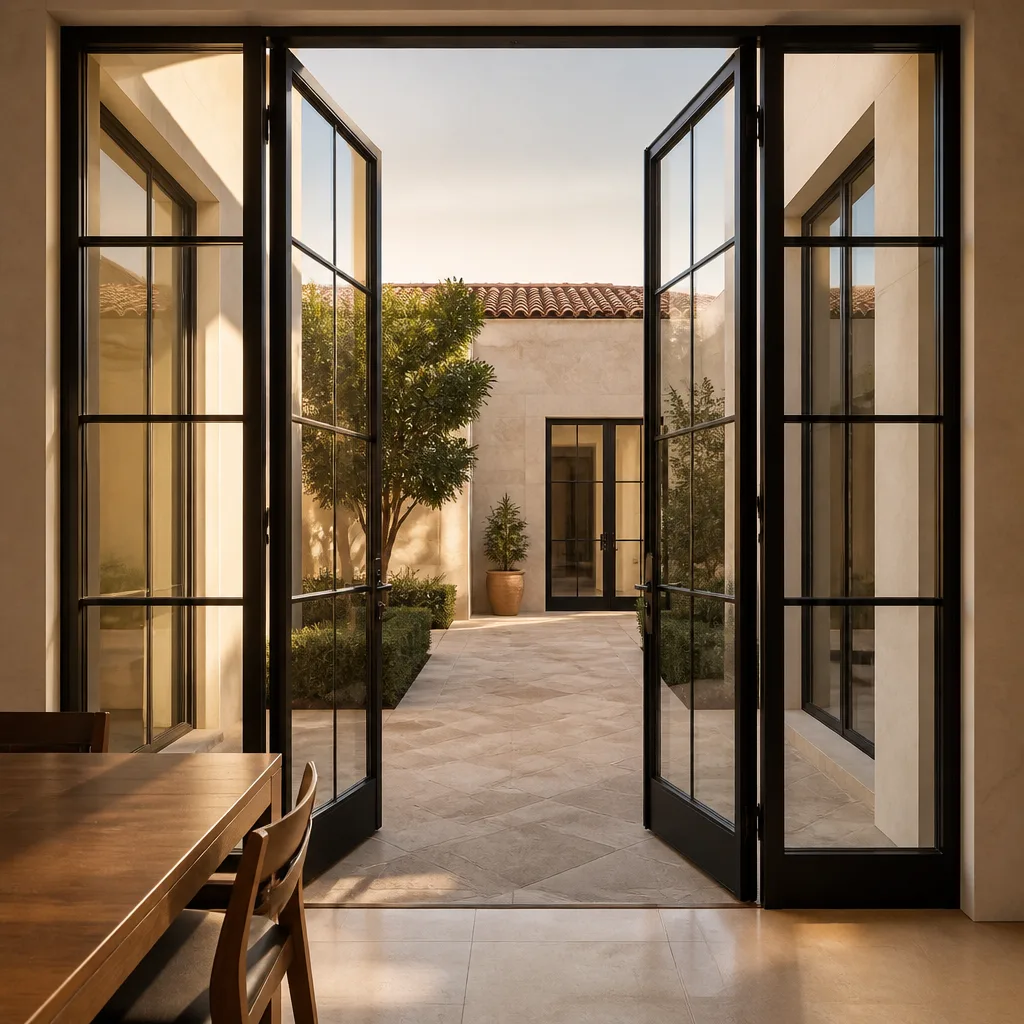
Call when you identify active water intrusion, impact-layer damage, or frame movement that affects operation. These conditions do not improve with time and create secondary damage that exceeds the original repair scope. Also call when you need verification of HVHZ compliance for insurance purposes - we can document NOA status from manufacturer records and provide the written report your insurer may require.
Sightline Windows & Doors Hialeah offers free estimates in Hialeah. Our survey produces the measured document you keep, and the written quote cannot differ from that document. Call (786) 574-2745 to schedule. Calls are answered by a live person, 24/7.
Frequently Asked Questions
IGU replacement for fogged glass typically runs $280-$450 per opening, while full sash replacement ranges from $650-$1,200 for standard vinyl units and $1,100-$2,400 for impact-rated products. The exact cost depends on size, product line, and whether the frame requires repair. Call (786) 574-2745 for a written estimate - surveys are free and the quote you receive is the invoice you pay.
No. Haven Clause 1 states that the measured survey and the written quote are the same document. We do not issue estimates that later become invoices with added charges. If we discover concealed damage during installation - rot in the rough opening, for example - we document it, stop work, and provide a separate written scope for that condition before proceeding.
Yes. We pull all required permits for window and door replacement in Miami-Dade County and schedule inspections. The permit cost is included in your written quote, not added later. We have passed every inspection we’ve requested since 2012.
Most residential window replacements in Hialeah are completed in one to two days for standard sizes, assuming no structural repairs are needed. Custom sizes and impact-rated units may require 4-6 weeks for manufacturing before installation. We state the full timeline, including lead time, in the written scope.
A failed IGU seal reduces the window’s insulating value by 30-50 percent, depending on the original specification. In Hialeah’s cooling-dominated climate, this means your air conditioning works harder to maintain temperature. The fog itself is evidence; the energy impact is the cost of delaying repair.
Check for the permanent label showing manufacturer, product series, and Miami-Dade NOA number. Impact-layer cracks, crazing, or missing labels indicate potential non-compliance. We can verify NOA status from manufacturer records and recommend replacement if needed. Non-compliance can affect windstorm insurance coverage.
The Bottom Line
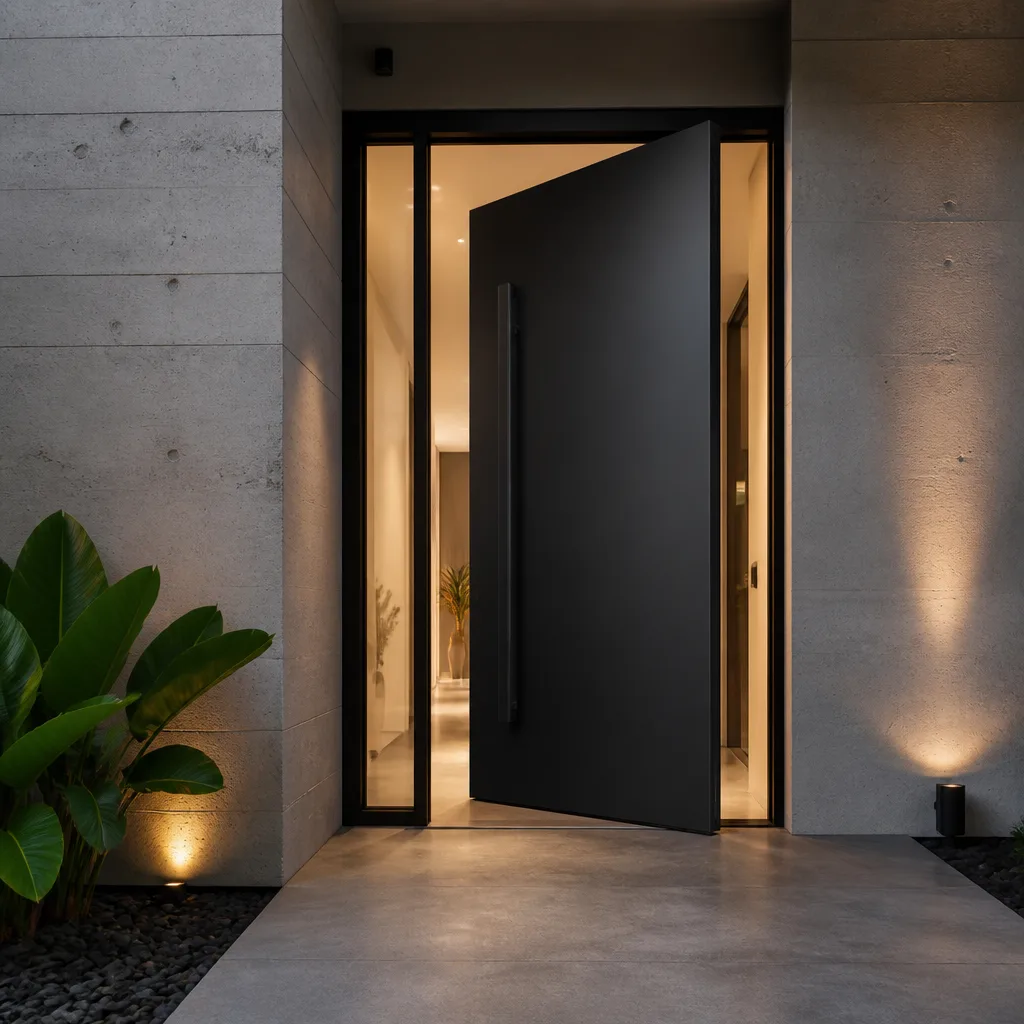
Window and door failures in Hialeah announce themselves through specific, documentable signs. The ten warning signs in this guide - frame separation, glazing fog, hardware binding, flashing gaps, sill efflorescence, threshold rot, sealant failure, impact-layer cracks, interior water stains, and operational noise - each indicate a cause and a required response. Three of these signs carry insurance and code implications that extend beyond comfort or aesthetics. Annual self-inspection creates the dated record that supports warranty claims and insurance verification. When repair or replacement is needed, the written price before work starts and the documented photo record after completion are not courtesies; they are the minimum standard for evidence-based work.
Written by Sonia Raman, Owner at Sightline Windows & Doors Hialeah, serving Hialeah since 2012.