
Last updated September 24, 2026
Free in-home measure and quote - PGT, CGI and CWS impact lines compared on your actual openings, style by style


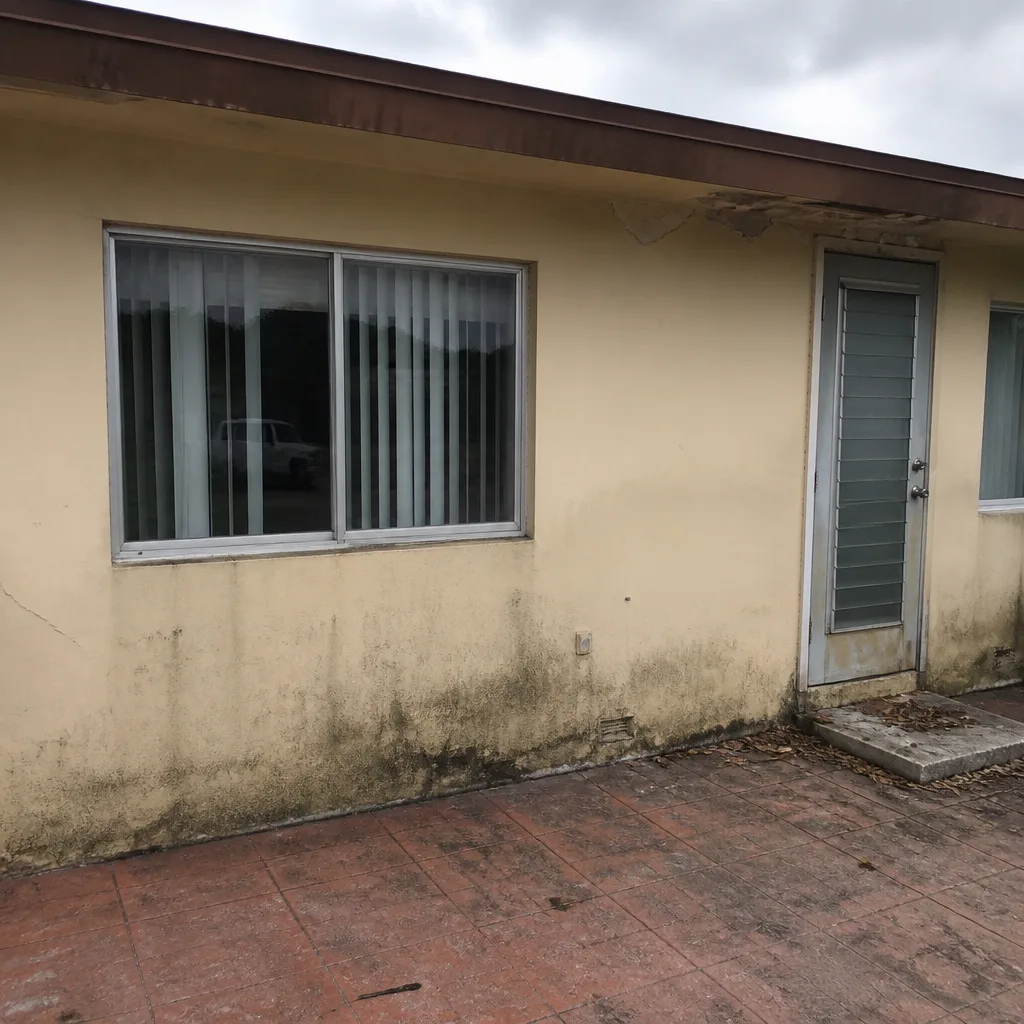 Before
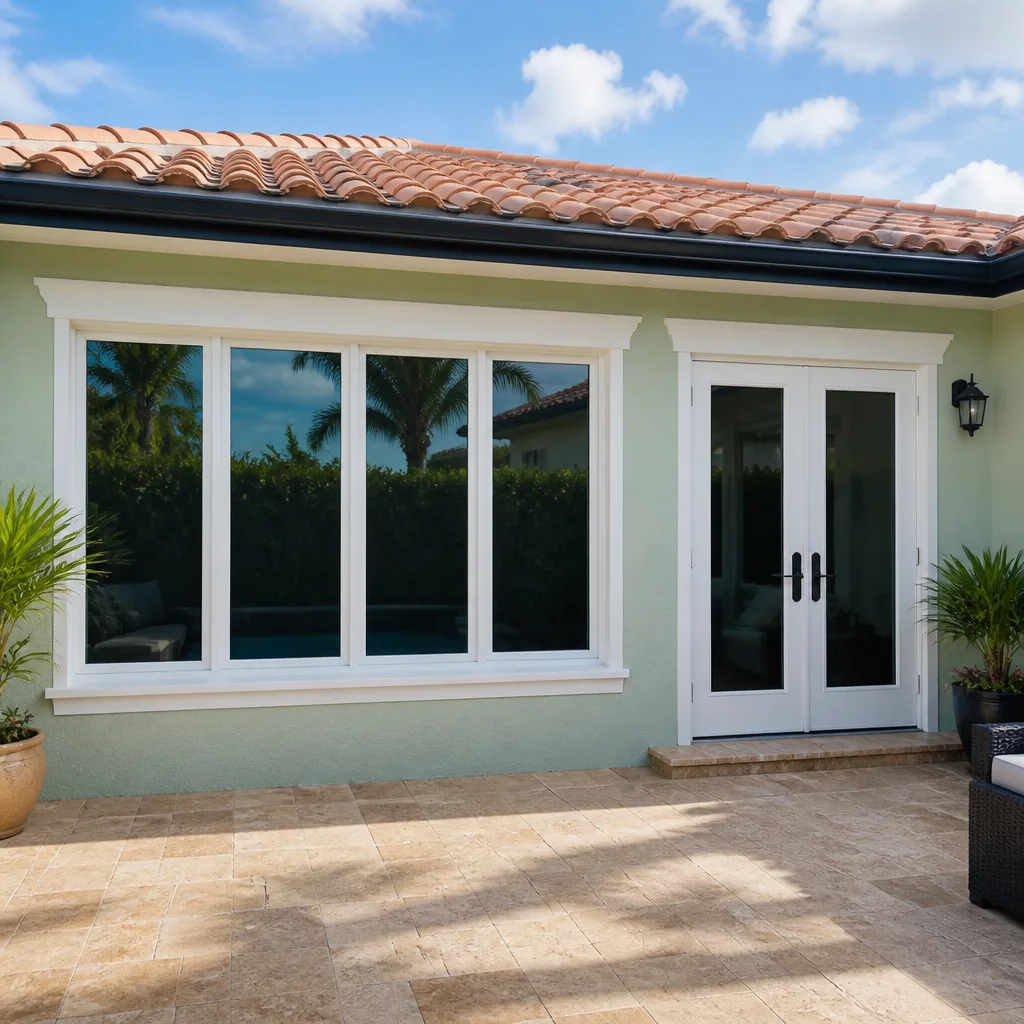 After
After Before
 After
After Before
 After
AfterWindow Installation Maintenance Checklist for Hialeah Homeowners
Impact window warranties in Miami-Dade are routinely voided not by installation defects but by owner-neglected sealant failure. A $12 tube of compatible sealant applied at 18 months would have prevented a $1,400 water intrusion claim that the warranty explicitly excludes. In Hialeah’s High Velocity Hurricane Zone, salt air, UV exposure, and tropical-storm cycles degrade sealants, hardware, and glazing compounds faster than anywhere else in Florida. This guide gives you the exact 12-point post-installation acceptance sequence and annual maintenance rhythm that professionals use to keep impact-rated windows performing through their full service life. For more guides & resources, see our blog.
Quick Answer
New Window Installation services in Hialeah require a 12-point post-installation inspection the day the crew leaves, followed by sealant checks at 6 months and full hardware, drainage, and glazing inspections every 12 months thereafter. Skip these steps and manufacturer warranties on impact products can be voided for owner neglect, particularly when sealant beads crack or weep holes clog with salt residue.
Table of Contents
- The 12-Point Post-Installation Acceptance Checklist
- The 6-Month Sealant Inspection
- The 12-Month Full Maintenance Cycle
- Sealant Types in HVHZ Installation: What You Can Touch vs. What Requires a Contractor
- What Your Post-Job Photo Record Should Document
- Five Maintenance Tasks That Void Manufacturer Warranties When Skipped
- Hialeah-Specific Climate Factors That Accelerate Window Degradation
- Common Mistakes to Avoid
- When to Call a Professional
- Frequently Asked Questions
- The Bottom Line
 Before
 After
AfterThe 12-Point Post-Installation Acceptance Checklist
Run this sequence the day your window installation in Hialeah is completed, before the crew leaves your property. Every item here corresponds to a condition that Miami-Dade Building Code inspectors verify, and every failure we’ve documented in our 18,000+ openings since 2012 started with one of these points being skipped at handoff.
- Drainage weep holes clear and unobstructed. Weep holes at the sill must pass water freely. Test with a small cup of water poured against the interior track. If water pools, the holes are blocked by debris or the sill pan is improperly sloped. In Hialeah’s summer downpours, a blocked weep hole forces water into the wall cavity within a single storm.
- Anchor covers seated flush with frame faces. Exposed anchor bolts or gaps around covers collect salt and start galvanic corrosion on aluminum frames. Press every cover. If it clicks or rocks, the installer needs to reseat it with compatible shims.
- Sealant bead continuous around full frame perimeter. Run your finger along the interior and exterior sealant. Gaps, bubbles, or tool marks that break continuity create failure points for wind-driven rain. The bead should be smooth, uniform in width, and bonded to both frame and substrate.
- Hardware torque verified on all operable sashes. Open and close every window. Resistance should be consistent. Loose hardware allows sash rattle that fatigues corner joints during Hialeah’s frequent high-wind events. Tighten to manufacturer spec with the provided torque key, or request the crew do it.
- IGU clarity confirmed - no fog, haze, or debris between lites. Inspect each insulated glass unit from multiple angles in daylight. A failed IGU seal shows as persistent fog or a rainbow sheen. Document any anomaly immediately; IGU replacement under warranty requires installation-day documentation.
- Sightline alignment verified across multi-panel assemblies. Stand back and sight across the frames. Misaligned sightlines indicate improper shimming or frame twist. This is structural, not cosmetic. It stresses hardware and compromises weatherstripping compression.
- Weatherstripping fully seated in kerf grooves. Weatherstripping that bulges or pulls free at corners will leak air and water within the first year. Push it home with a plastic spatula, never metal.
- Screen frames intact and mesh tensioned. Check for tears, loose spline, and frame bow. In Hialeah, screens take the first hit from wind-borne debris; a loose screen becomes a projectile.
- Lock engagement positive on all points. Multi-point locks must engage simultaneously. Test with the sash closed but unlocked, then engage. You should hear or feel all points seat. Partial engagement voids impact resistance ratings.
- Interior trim and casing gap consistent. Gaps wider than 1/8 inch at any point indicate frame movement or rough opening preparation failure. These gaps telegraph air infiltration and will grow with thermal cycling.
- Exterior sealant color matches specification. Mismatched sealant is often incompatible sealant. Verify the product against your written scope. In our experience, substituting a non-NOA sealant is the single fastest path to warranty denial after a water intrusion event.
- Written documentation received and matches measured survey. You should hold the measured survey, the written scope of work, and the product specification sheet. Cross-check frame dimensions, product line, and glass package against what is installed. Haven Clause 1: the measurement and the quote are the same document, and both travel with the finished job.
We have seen homeowners in Hialeah’s Palm Springs and Westhaven Heights neighborhoods skip this checklist because the crew “looked professional.” The correlation between skipped acceptance and warranty disputes in our records is nearly perfect. Run the list.
The 6-Month Sealant Inspection
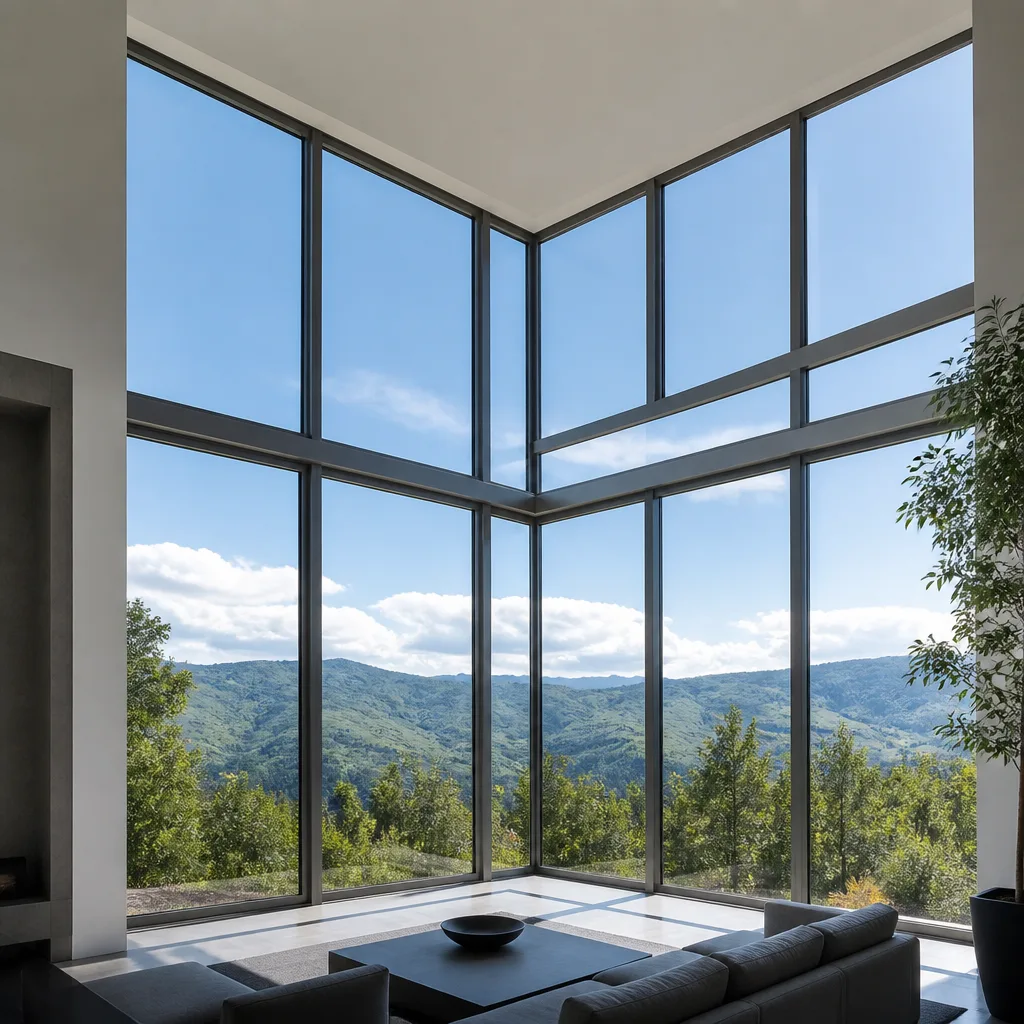
Six months after installation, inspect every exterior sealant joint. In Hialeah’s salt-air environment, this is not conservative. It is the minimum.
What you are looking for: surface chalking, cracking at substrate interfaces, loss of adhesion visible as a dark line where sealant pulls away from frame or wall, and bubbling from trapped moisture. Run a fingernail across the bead. If it powders or flakes, the UV stabilizers are degrading.
Focus on south and west exposures first. These receive the most direct UV and the highest thermal expansion cycles. Homes near I-75 or the Palmetto Expressway also see accelerated degradation from road salt aerosols that travel farther than most homeowners assume.
Owner-serviceable repair at 6 months: clean the joint with denatured alcohol, apply compatible sealant over the failed area if the failure is less than 1/4 inch wide and the substrate bond is sound. Wider failures, substrate damage, or any failure on an impact-rated frame require a licensed contractor. The NOA (Notice of Acceptance) for your product specifies the exact sealant chemistry. Using a non-listed product voids the rating.
The 12-Month Full Maintenance Cycle
At 12 months, and annually thereafter, run the full sequence:
- Hardware: Remove and lubricate hinges, locks, and rollers with a dry PTFE lubricant. Oil-based lubricants attract salt grit. Check torque on all fasteners. Replace any fastener that shows corrosion staining.
- Drainage: Clear weep holes with a pipe cleaner or compressed air. Flush the sill track with fresh water to dissolve salt buildup. In Hialeah, salt residue from evaporated rainwater crystallizes in weep channels and is not removed by rain alone.
- Glazing stops and gaskets: Inspect for UV embrittlement. Gaskets that crack when flexed have lost compression memory and will leak under wind load. Replacement gaskets are owner-serviceable on most CWS and ES Windows products; on Mr-Glass impact assemblies, gasket replacement requires factory-authorized service to maintain the NOA.
- Frame surfaces: Wash with mild detergent and fresh water. Salt film is hygroscopic; it holds moisture against anodized and painted surfaces and accelerates pitting. Do not use abrasive pads on anodized aluminum.
- Screen and vent track: Vacuum debris, lubricate rollers, check mesh for tears from wind-borne debris. Hialeah’s position on the edge of the Everglades means higher insect pressure; torn screens are replaced more frequently here than in coastal Broward.
- Interior air seal: Check caulk line between frame and drywall. Thermal cycling in unconditioned spaces, particularly garages and Florida rooms, opens these gaps within the first year.
Document each inspection with dated photos. Store them with your original installation documentation. Insurance adjusters and warranty administrators request this evidence.
Sealant Types in HVHZ Installation: What You Can Touch vs. What Requires a Contractor
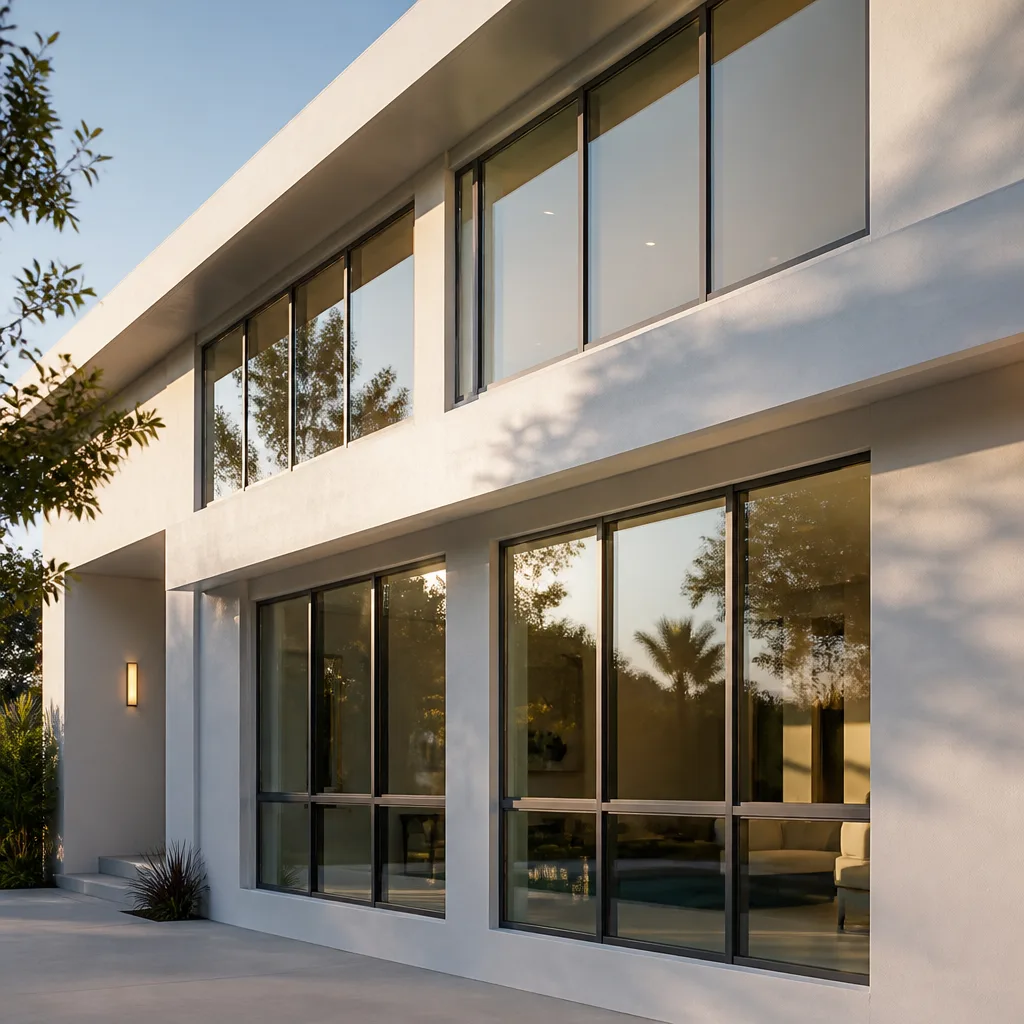
Three sealant types dominate Sightline Windows & Doors Hialeah home installations in the High Velocity Hurricane Zone. Understanding which is which protects your warranty and your wallet.
Structural silicone: Used for glass-to-frame bonding in impact-rated units. This is never owner-serviceable. The NOA specifies the exact Dow Corning or GE product by part number. Any field repair requires a glazing contractor with Miami-Dade product approval. If you see failure at the glass edge, call a professional. Attempted DIY repair voids the impact rating and the manufacturer’s limited warranty.
Backer rod and polyurethane sealant at the frame-to-wall interface: This is the perimeter seal that stops wind-driven rain. On non-impact windows, compatible polyurethane sealant replacement is owner-serviceable if the joint is accessible and the substrate is sound. On impact-rated frames, the NOA may require specific products. Check your documentation. When in doubt, a licensed contractor must apply the sealant to preserve the product approval.
Butyl tape at the sill pan: Hidden beneath the frame, this is installed during rough opening prep. You will not see it unless the window is removed. If water intrusion at the sill suggests butyl failure, the window must be removed and reinstalled. This is contractor work, and it requires permit amendment in Miami-Dade.
The test is simple: if the sealant is visible and on a non-impact frame, you can likely maintain it. If the sealant is on an impact-rated frame, on the glass-to-frame joint, or hidden in the assembly, it requires professional service under the product’s NOA.
What Your Post-Job Photo Record Should Document
Every completed job under the Haven Standard leaves a documented photo record. As a homeowner, you should request and store the same evidence. Here is what the record must contain:
- Pre-installation rough opening: Framing condition, existing damage, moisture readings if available. This establishes baseline condition.
- Flashings and sill pan installed: Before the window enters the opening, the water management layer must be visible and complete.
- Window in opening, pre-shim: Shows level, plumb, and square before fasteners compress the frame.
- Anchor pattern and fastener type: Close-up of each anchor with identifying marks visible. Miami-Dade requires specific embedment depths and fastener schedules.
- Sealant application in progress: Tooling technique, bead dimensions, product label visible.
- Completed installation, interior and exterior: Full-frame shots from multiple angles, including sightline alignment across multi-panel units.
- Hardware engaged, locks tested: Demonstrates positive engagement.
- Cleanup and debris removal: Confirms site condition at handoff.
Store these with your permit documentation and insurance records. When Hialeah’s Building Department requests evidence of proper installation for a subsequent permit, or when an insurance adjuster investigates water damage, this record is your proof. We have seen claims denied for lack of documentation that took ten minutes to collect.
The window replacement in Hialeah process should always include this handoff. If your contractor does not provide it, request it. If they refuse, that is information.
Five Maintenance Tasks That Void Manufacturer Warranties When Skipped

Manufacturer limited warranties on impact products from PGT, CGI, CWS, ES Windows, ECO Window Systems, and Mr-Glass contain maintenance clauses. These are the five we see invoked most often in denied claims:
- Failure to maintain weep hole drainage. Water intrusion damage from backed-up sill drainage is excluded. The warranty covers product defects, not owner-neglected maintenance.
- Application of incompatible sealant over factory joints. Even well-intentioned touch-ups with hardware-store silicone can chemically degrade structural silicone beneath. Warranty administrators test sealant chemistry in disputed claims.
- Hardware modification or non-factory replacement. Installing aftermarket locks, removing limiters, or drilling additional holes compromises the engineered load path. Impact ratings depend on the assembly as tested.
- Failure to address visible sealant failure within 12 months of observation. Most warranties require prompt repair of conditions that could lead to water intrusion. Documented observation plus documented inaction equals denial.
- Pressure washing at close range or with harsh chemicals. High-pressure water forces past weatherstripping. Acids and abrasives damage anodized finishes. Warranty language explicitly excludes damage from improper cleaning methods.
The pattern is consistent: the warranty covers the product as specified and maintained. It does not cover the product as neglected or modified.
Hialeah-Specific Climate Factors That Accelerate Window Degradation
Hialeah’s location creates a maintenance interval shorter than the Florida average. Three factors drive this:
Salt-air intrusion from Biscayne Bay and the Atlantic. Homes east of West 12th Avenue see measurably higher chloride deposition on exterior surfaces. The difference between a home in Miami Lakes and a home in East Hialeah is visible in frame pitting rates within three years.
UV index consistently among Florida’s highest. South Florida receives approximately 2,900 hours of annual sunshine. Sealant UV stabilizers are rated in laboratory conditions; actual field life in Hialeah is 60-70% of rated life.
Tropical-storm cycling without full hurricane force. Windows in Hialeah experience repeated pressurization and depressurization from near-miss storms that do not trigger insurance claims or FEMA attention. This fatigue loading loosens fasteners, opens sealant joints, and fatigues hardware without producing obvious catastrophic damage. It is cumulative, invisible, and only detectable through systematic inspection.
These factors mean the generic maintenance schedules printed in manufacturer literature, typically written for national distribution, are insufficient for Hialeah. See our Windows & Doors Cost Breakdown: The Hialeah Homeowner’s Reference for 2026 for local pricing context. The 6-month and 12-month cycles in this guide account for local conditions.
Common Mistakes to Avoid
- Assuming impact-rated means maintenance-free. Impact glass resists debris. It does not resist sealant degradation, hardware corrosion, or drainage blockage. The rating is about structural performance under load, not about eliminating maintenance.
- Using WD-40 on window hardware. This product attracts dust and salt grit, accelerating wear. Use dry PTFE lubricant specified for marine environments.
- Caulking over failed sealant without removing the old material. The new bead bonds to the old failed surface, not the substrate. The repair fails within months, often trapping water beneath.
- Ignoring weep holes because “the window is new.” Construction debris, paint overspray, and stucco dust clog weep holes before the first rain. Verify them at handoff and at 6 months.
- Storing documentation in the garage. Hialeah garages reach temperatures that degrade paper and corrupt digital storage media. Keep records in conditioned space, with cloud backup of photo records.
- Waiting for visible water intrusion to inspect. By the time water shows at the interior, the wall cavity has been wet through multiple cycles. Mold and framing damage precede visible staining.
- Hiring a handyman for sealant replacement on impact windows. Miami-Dade requires product-specific sealants and application methods. A handyman with good intentions and generic silicone voids your NOA.
When to Call a Professional
Call a licensed window and door contractor when you observe: fog or haze between IGU lites (seal failure); sealant cracking wider than 1/4 inch or pulling from the substrate; water intrusion at any interior surface; hardware that binds, grinds, or no longer engages fully; frame movement or sightline misalignment; or impact glass with visible cracks, chips, or delamination.
These conditions indicate assembly-level issues that owner maintenance cannot address. The repair requires product-specific materials, Miami-Dade NOA compliance, and often permit amendment.
Door installation in Hialeah and window installation under the Haven Standard includes the documentation and warranty support that subsequent service requires. If your original installer did not provide this, or if you are unsure of your product specifications, Sightline Windows & Doors Hialeah offers free estimates in Hialeah - call (786) 574-2745. We will inspect your installation, identify your product lines, and document what maintenance is required to preserve your warranty coverage.
Frequently Asked Questions
Run the full 12-point acceptance checklist the day installation is completed, inspect sealants at 6 months, and perform the full hardware, drainage, and glazing inspection annually thereafter. Hialeah’s salt-air and UV exposure make this interval the minimum for warranty preservation.
Perimeter sealant on non-impact frames may be owner-serviceable with compatible products. Sealant on impact-rated frames, and any glass-to-frame structural silicone, requires a licensed contractor using the exact product specified in the NOA. Using non-listed sealant voids the impact rating and manufacturer’s warranty.
The most common voids are: neglected weep hole maintenance, incompatible sealant application, hardware modification, failure to repair visible sealant failure within 12 months, and damage from improper cleaning methods. Warranty administrators document these conditions in the majority of denied claims.
Annual inspection and basic maintenance by a licensed contractor typically ranges from $150-$350 for a single-family home, depending on opening count and accessibility. Sealant replacement on impact-rated frames runs $8-$15 per linear foot, including compatible materials and NOA documentation. Call (786) 574-2745 for an exact quote - estimates are free, and we review competitor written estimates at no charge under our Free Second Opinion policy.
Cosmetic sealant touch-up on existing frames does not require permit. Removal and replacement of sealant on impact-rated assemblies, or any work that disturbs the frame-to-wall interface, may require permit amendment depending on the scope. See Windows & Doors Permits, Codes & Inspections in FL: What You Need to Know for details. A licensed contractor can determine this from your original permit records.
Document the installation yourself: photograph frame labels, sealant beads, hardware, and sightline alignment from multiple angles. Request the product specification sheet and NOA number. Store these with your permit. For future work, specify photo documentation in your contract. Contractors operating under documented quality standards, like the Haven Standard’s Evidence on Every Job clause, provide this without being asked.
The Bottom Line
A window installed correctly in Hialeah is only the beginning. The HVHZ environment demands a documented acceptance process at handoff, sealant inspection at 6 months, and full assembly inspection annually. Skip these steps and manufacturer warranties, which exclude owner neglect, offer no protection. The maintenance is not complex, but it is specific: use compatible materials, follow NOA specifications, and keep dated photographic evidence. The cost of prevention is a fraction of the cost of water intrusion remediation, and the documentation you maintain is the evidence that protects your investment.
Call (786) 574-2745 to schedule your free estimate. Every engagement begins with a measured survey you keep, and the written quote cannot differ from that document. Haven Clause 1: Have it in writing.
Written by Sonia Raman, Owner at Sightline Windows & Doors Hialeah, serving Hialeah since 2012.